Introduction to Vegetable Soup
The Joy of Homemade Vegetable Soup
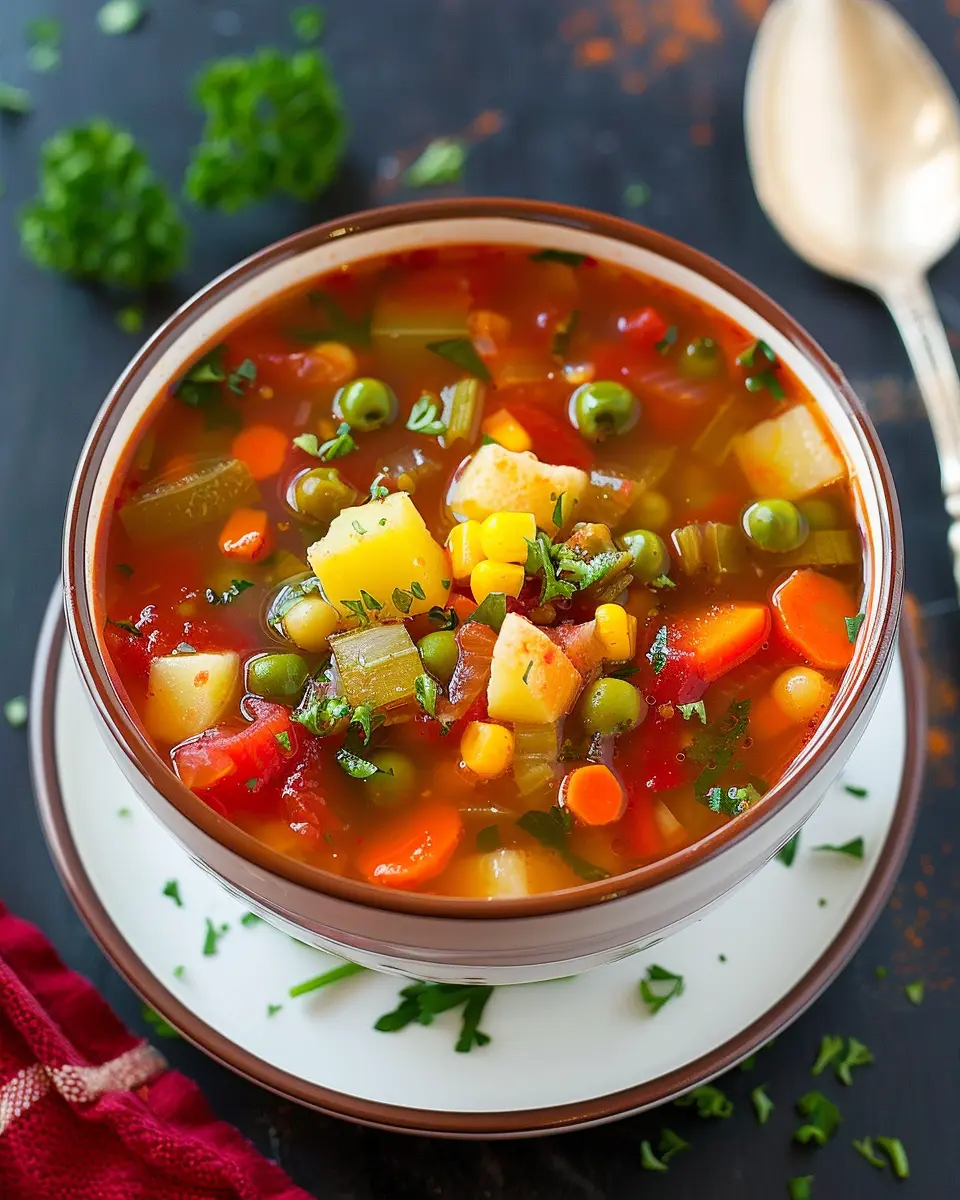
There’s something undeniably comforting about a warm bowl of vegetable soup. The enticing aroma rising from the pot, the vibrant colors of fresh veggies, and the simplicity of making it all come together create a delightful experience. Unlike canned options, homemade soup allows you to tailor each ingredient to your liking, making it not just a meal but a heartfelt creation. Did you know that making your own soup allows you to control the sodium levels and avoid preservatives often found in store-bought versions? (American Heart Association) can provide insight into the benefits of cooking at home.
Why Choose Vegetable Soup?
Opting for vegetable soup is a fantastic way to nourish your body. Packed with a plethora of vitamins and minerals, vegetables are a powerhouse of health. Incorporating a variety of textures and flavors not only tantalizes your taste buds but also boosts your immune system. Here are a few benefits to consider:
- Nutrient-Rich: Each spoonful is loaded with essential nutrients.
- Versatile: You can customize the soup with seasonal veggies or leftovers.
- Budget-Friendly: It’s an economical way to feed yourself or a family.
Moreover, studies indicate that increasing your vegetable intake may help reduce the risk of chronic diseases, making this soup not only tasty but also a smart health choice.
A Delightful Anecdote About Soup Nights
I fondly remember my friends and I designating every Friday night as “Soup Night.” It wasn’t just about the food; it was about gathering together after a long week, sharing stories, and enjoying our creations. Each week, someone would whip up a new vegetable soup recipe, leading to lively discussions about what worked and what might need tweaking next time. This tradition not only fostered our culinary skills but also strengthened our friendships over hearty meals.
So, whether you’re winding down after a busy week or looking to impress a guest, a homemade vegetable soup can be the perfect solution. Ready to dive into an easy, delicious recipe? Let’s get cooking!
Ingredients for Vegetable Soup
Essential Ingredients
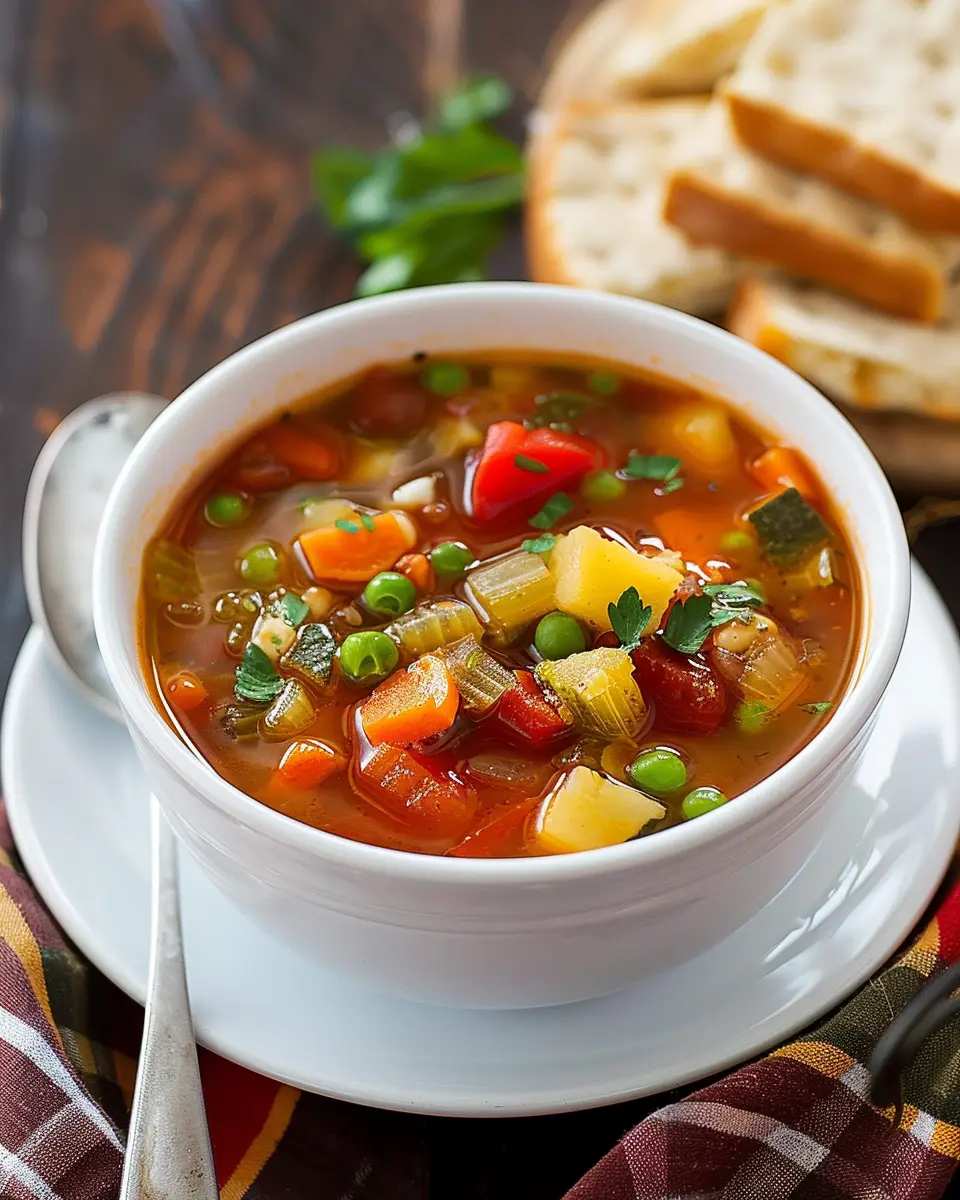
Creating a comforting vegetable soup starts with a solid base of essential ingredients. Here are what you’ll need:
- Fresh Vegetables: A mix of carrots, celery, and onions, often called the “holy trinity” of soup-making.
- Vegetable Broth: Provides depth and flavor; feel free to choose low-sodium for a healthier option.
- Potatoes: diced for heartiness and thickness.
- Tomatoes: canned or fresh, they add a rich acidity that brightens the soup.
- Seasonings: Salt, pepper, garlic, and herbs like thyme or basil elevate the flavor profile.
Optional Ingredients for Extra Flavor
Want to take your vegetable soup up a notch? Here are some delicious optional ingredients to consider:
- Turkey Bacon or Chicken Ham: These can add a savory twist and a bit of protein.
- Leafy Greens: Throw in some spinach or kale for added nutrition.
- Beans or Lentils: These provide texture and can make your soup more filling.
- Apple Cider Vinegar: A splash at the end brightens the flavors beautifully.
Experimenting with various combinations can yield delightful results! For more inspiration, check out this guide on health benefits of different vegetables. Remember, the best soups are those that reflect your personal taste—so don’t hesitate to customize!
Preparing Vegetable Soup
Making a hearty bowl of vegetable soup can be one of the most satisfying culinary experiences, especially when you realize how simple and rewarding it is. Whether you’re craving comfort food or aiming for something light yet filling, let’s walk through the steps together to create your delicious soup.
Gather Your Ingredients
Before diving into cooking, let’s set the stage by gathering everything you’ll need. Here are some essential ingredients to consider for your vegetable soup:
- Base: Vegetable broth (or chicken broth if you prefer).
- Vegetables: Carrots, celery, onions, and potatoes are fantastic starters. Feel free to throw in greens like spinach or kale and any others you love, like bell peppers or zucchini.
- Protein (optional): For added heartiness, consider Turkey Bacon or Chicken Ham to enhance the flavor without overwhelming the veggie goodness.
- Herbs & Spices: Bay leaves, thyme, and Italian seasoning can elevate the taste profile. Don’t forget salt and pepper!
- Acidity: A splash of lemon juice or balsamic vinegar can brighten the dish.
Having all your ingredients prepped and ready will make cooking smoother. You know that feeling when everything’s organized? So satisfying!
Sauté the Aromatics
Now that you have your ingredients lined up, it’s time for the fun part: sautéing! This step is crucial as it lays the flavor foundation.
- Heat a large pot over medium heat and add a drizzle of olive oil.
- Toss in chopped onions, carrots, and celery—often referred to as the “holy trinity” of soups. Sauté for about 5-7 minutes until the onions become translucent.
- If you’re using Turkey Bacon or Chicken Ham, add them now, allowing them to crisp slightly before moving on to the next step.
You’ll be amazed at how the kitchen comes alive with those aromas. Engaging with the scent is an underrated joy of cooking!
Add Broth and Vegetables
Once the aromatics smell divine (you should be getting hungry by now), it’s time to add the bulk of the soup.
- Pour in your broth of choice. You’ll typically want a ratio of about 4 cups of broth to every 3 cups of chopped vegetables.
- Gently add your chopped potatoes and any sturdier vegetables like green beans. Those that cook more slowly should go in now.
- Stir well to combine.
This part is where you can really customize the soup to your tastes, perhaps tossing in a can of diced tomatoes or some frozen peas for texture. Did you know that incorporating various vegetables can significantly increase your vitamin intake? A well-rounded meal is right at your fingertips!
Simmer to Perfection
After everything is in the pot, it’s time to let the magic happen through simmering.
- Bring your soup to a boil, then reduce the heat to a gentle simmer.
- Let it cook for about 20-30 minutes, or until your potatoes and other vegetables are tender.
- Stir occasionally and keep tasting—it’s your soup after all! Adjust the seasoning with salt and pepper as needed.
Simmering allows the flavors to meld beautifully. Think about how satisfying it is to gather around a warm bowl of homemade goodness.
Final Touches Before Serving
Once you’ve reached the desired consistency and flavor, it’s time for the finishing touches.
- Before serving, add in your softer veggies like spinach or kale to maintain their vibrant color and nutrients.
- A dash of lemon juice or a sprinkle of fresh herbs like parsley can brighten the soup right before serving.
Serve your vegetable soup hot, perhaps with a slice of crunchy bread or crackers. Not only does this complement the dish, but it also makes for a cozy dining experience.
And there you have it—an easy and delicious recipe for vegetable soup that not only fills the belly but warms the soul! Enjoy your culinary creation and feel free to share your variations or tips on how you make your vegetable soup your own!
Variations on Vegetable Soup
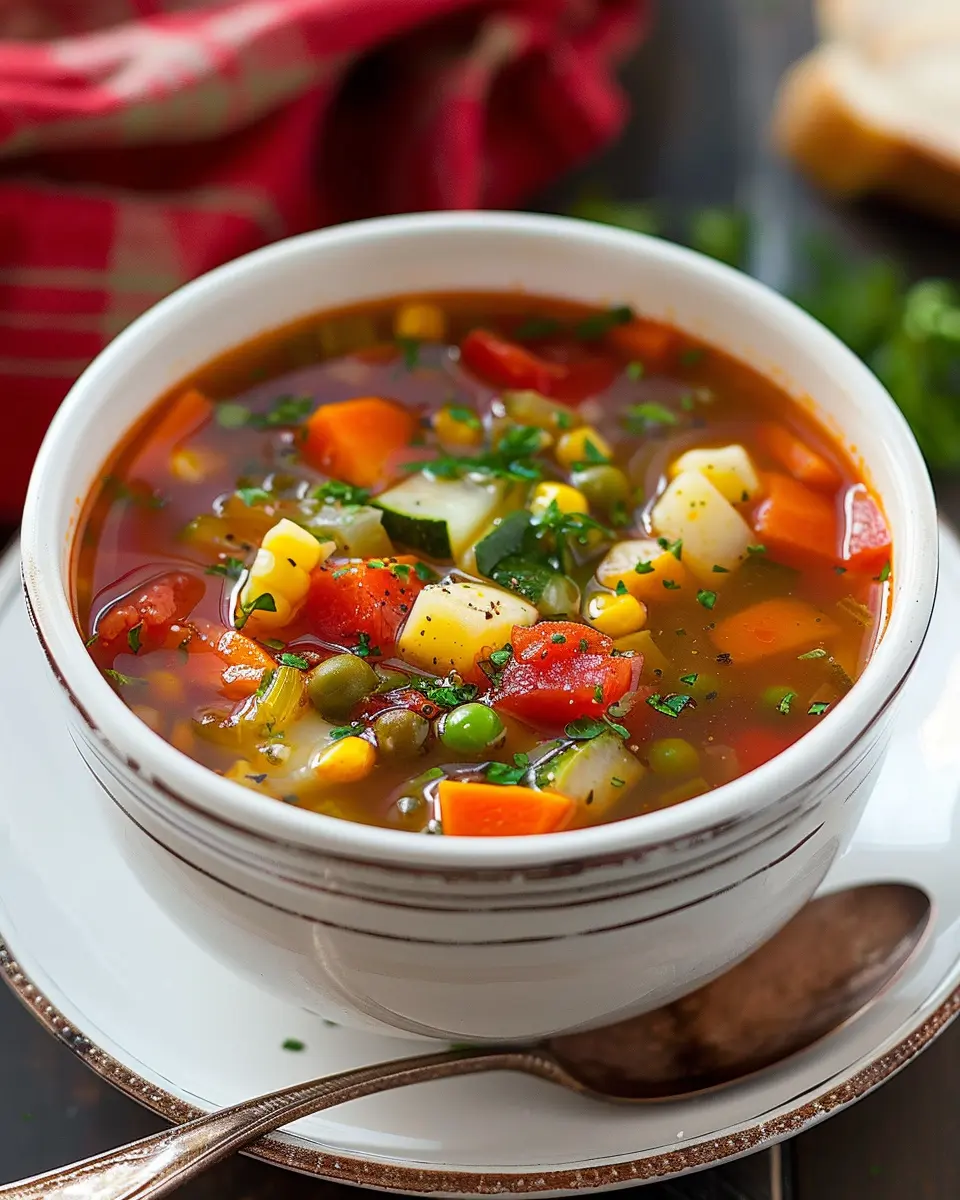
When it comes to vegetable soup, the possibilities are nearly endless. Let’s explore a few variations that can easily elevate your soup game.
Hearty Lentil Vegetable Soup
If you’re looking for something a little more filling, try a hearty lentil vegetable soup. Lentils not only add protein but also a rich texture that blends beautifully with assorted veggies. Here’s what you’ll need:
- Ingredients: Green or brown lentils, carrots, celery, spinach, diced tomatoes, and your favorite herbs like thyme or rosemary.
- Instructions: Sauté the vegetables, add lentils and water or vegetable broth, and let it simmer until lentils are tender.
This variation is perfect for meal prep—it reheats wonderfully! You can find more tips on making lentils at [American Lentils](https://www lentils.ca).
Creamy Tomato Vegetable Soup
For those who prefer a comforting bowl of soup with a silky texture, a creamy tomato vegetable soup is a great choice. This rendition uses blended tomatoes and a splash of cream for a luxurious finish.
- Ingredients: Canned crushed tomatoes, bell peppers, onions, garlic, heavy cream, and basil.
- Instructions: Cook the vegetables until soft, blend with tomatoes, and then stir in the cream for that creamy texture.
Pair this soup with a grilled cheese sandwich for a classic twist! Need some ideas for sandwiches? Check out this grilled cheese guide.
Spicy Vegetable Soup
If you enjoy a bit of heat, a spicy vegetable soup can really awaken your taste buds. Adding ingredients like jalapeños or crushed red pepper can turn up the temperature.
- Ingredients: Zucchini, bell peppers, corn, beans, and spicy seasonings like cumin or cayenne pepper.
- Instructions: Sauté your vegetables and spices, add broth, and simmer for an extra kick.
This variation is perfect for those chilly nights when you need something to warm you up. So, grab your favorite spicy seasonings, and let’s get cooking!
Cooking Tips and Notes for Vegetable Soup
Flavor Boosters to Elevate Your Vegetable Soup
To take your vegetable soup to the next level, try adding some flavor boosters that really make a difference. Here are a few ideas:
- Herbs and Spices: Fresh herbs like basil, cilantro, or thyme can brighten your soup. For a warm kick, consider adding a pinch of smoked paprika or cayenne pepper.
- Broth: Instead of water, use vegetable or chicken broth for richer flavor. If making your own, simmer leftover vegetables, garlic, and herbs—great for avoiding waste!
- Acid: A splash of lemon juice or vinegar just before serving can heighten the soup’s flavors, making everything pop.
Storage Tips for Leftovers
Got extras? Don’t fear, vegetable soup (or any soup really) stores beautifully. Follow these guidelines:
- Cool It First: Allow your soup to cool completely before transferring it to an airtight container.
- Refrigerate or Freeze: You can keep it in the fridge for up to 4 days. For longer storage, consider freezing portions in freezer-safe bags—great for busy weeknights!
- Reheat with Care: When reheating, add a splash of broth or water to loosen it up. Always heat until steaming hot for the best taste.
Whether you’re enjoying it fresh or savoring leftovers, your vegetable soup is destined to shine! For more soup variations, check out this article on soups from Simply Recipes.
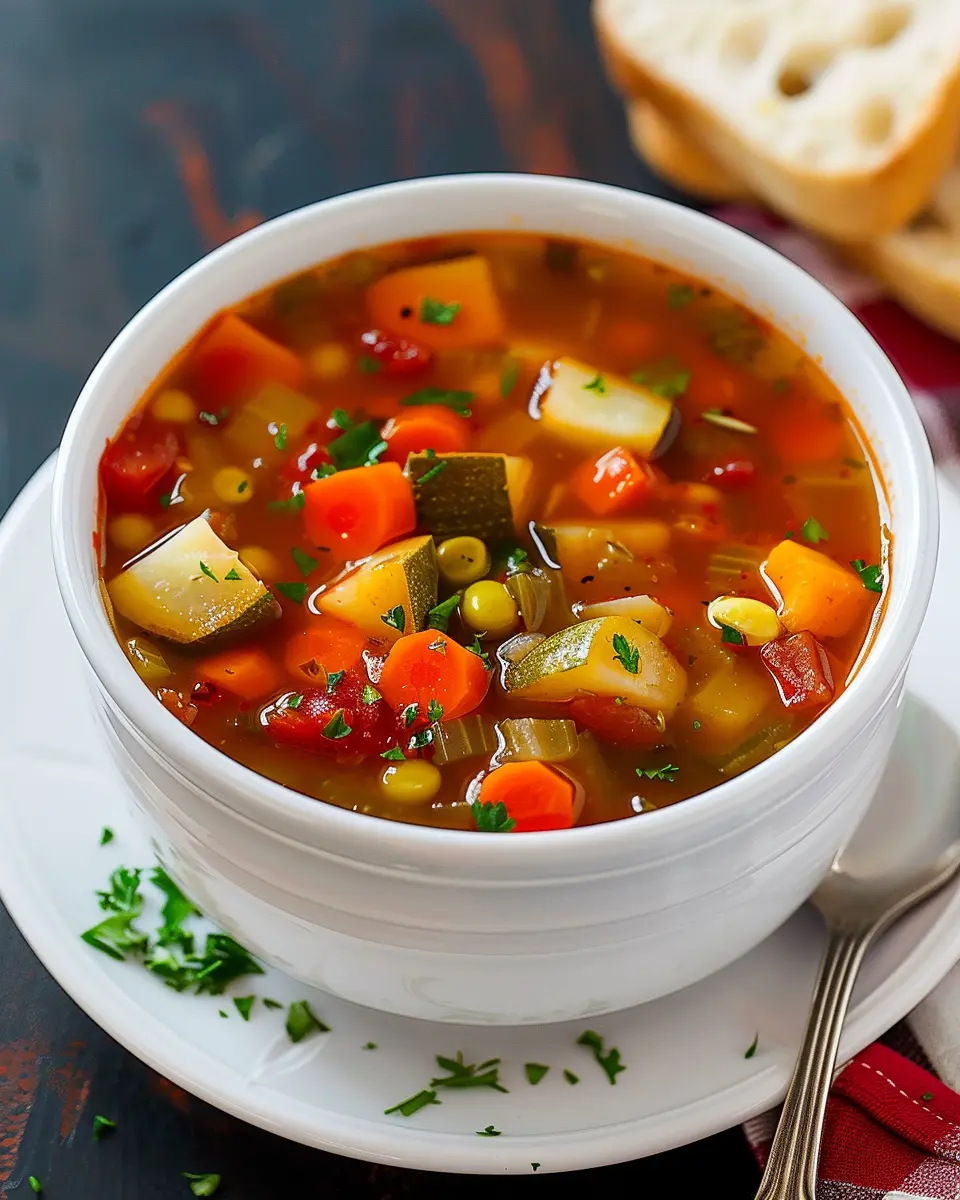
Serving Suggestions for Vegetable Soup
Pairing with Bread or Salads
Enjoying a bowl of vegetable soup can be elevated simply by pairing it with a side of crusty bread or a fresh salad. A warm, toasted baguette slathered with butter is perfect for dipping, while a zesty arugula salad topped with citrus vinaigrette creates a refreshing contrast. Don’t underestimate the comfort of a classic grilled cheese sandwich alongside your soup; the gooeyness is hard to resist!
Make It a Complete Meal
Transform your vegetable soup into a satisfying meal by adding protein sources like grilled chicken, shrimp, or even turkey bacon. A sprinkle of quinoa or a handful of lentils not only enhances the flavor but also turns your soup into a meal packed with nutrients. If you’re looking for an easy weeknight dinner option, consider serving it with a side of wild rice or barley to give it that hearty feel.
For additional inspiration, check out this guide on pairing soups with sides, which can help you find the perfect combinations to suit any craving! Happy slurping!
Time Breakdown for Vegetable Soup
When the craving for a warm, hearty bowl of vegetable soup hits, knowing how long it’ll take can make all the difference. Let’s break it down:
Preparation Time
Gathering your ingredients and chopping veggies takes about 15 minutes. This part can even be a little fun—put on your favorite playlist and enjoy!
Cooking Time
Once everything’s prepped, the cooking process typically lasts around 30 to 40 minutes. Just let those flavors meld together while you kick back and relax.
Total Time
In total, you’re looking at about 45 to 55 minutes from start to finish. Perfect for a weeknight dinner or a cozy weekend meal.
For more tips on making the best out of your vegetable soup, check out this guide to seasoning veggies. It could give your dish an extra edge!
Nutritional Facts for Vegetable Soup
Calories per Serving
A delightful bowl of vegetable soup typically contains around 100 calories per serving. This makes it a fantastic option for those looking to maintain a balanced diet without sacrificing flavor. Packed with vibrant veggies, it’s a low-calorie choice that keeps you feeling full and satisfied.
Key Nutrients and Health Benefits
This hearty dish is more than just delicious; it’s loaded with essential nutrients:
- Vitamins and Minerals: Vegetable soup is rich in vitamins A, C, and K, which are crucial for immune function, skin health, and bone strength.
- Fiber: The high fiber content from a variety of vegetables supports digestive health and keeps you feeling fuller for longer.
- Antioxidants: Ingredients like tomatoes and spinach provide powerful antioxidants that combat inflammation and promote overall health.
Incorporating vegetable soup into your diet can contribute to heart health and aid in weight management. If you’d like to dive deeper into the benefits of vegetables, you can check out this informative article on Healthline for more insights.
So, next time you whip up a warm pot of vegetable soup, know you’re nourishing your body with every delicious spoonful!
FAQs about Vegetable Soup
Can I Freeze Vegetable Soup?
Absolutely, you can freeze vegetable soup! This makes it a fantastic option for meal prepping. Just let the soup cool completely before transferring it to airtight containers or heavy-duty freezer bags. It’s best to leave a little space at the top of the container to allow for expansion. When you’re ready to enjoy it again, simply thaw it in the refrigerator overnight or use the defrost setting on your microwave. According to the USDA, properly stored, vegetable soup can last in the freezer for up to three months.
How Do I Make My Vegetable Soup Creamier?
If you’re looking for that heavenly, creamy texture in your vegetable soup, there are several tricks. Consider adding:
- Coconut milk or cream for a slightly sweet touch.
- Pureed beans or potatoes, which not only thicken the soup but also add a nutritious boost.
- Cashew cream—just soak raw cashews in water, blend them until smooth, and stir it in for a rich flavor.
These options are perfect for adding depth to your soup, making it as indulgent as you desire!
What Should I Serve with Vegetable Soup?
Pairing is key! Here are some great options to enhance your vegetable soup experience:
- Crusty bread or rolls for dunking.
- A light green salad with a zesty dressing.
- Turkey bacon or grilled chicken ham sandwiches for some protein.
These sides not only complement the flavors of your soup but also create a well-rounded meal. For more serving ideas, check out BBC Good Food.
Quick tip: Next time you whip up a batch, invite friends over for a cozy soup night! There’s something special about enjoying a warm bowl of soup together.
By answering these frequently asked questions, we hope you feel more confident in making and enjoying your vegetable soup. Happy cooking!
Conclusion on Vegetable Soup
Recap of the Benefits of Homemade Vegetable Soup
Homemade vegetable soup is a fantastic way to pack nutrients into your meals while enjoying a comforting dish. Loaded with vitamins, minerals, and fiber, this soup promotes health and wellness. Plus, making it from scratch allows you to control the ingredients, ensuring freshness and flavor. The ability to customize your soup means you can cater to your taste and dietary needs.
Encouragement to Try Your Own Recipe
Now that you’ve seen how easy and rewarding it is to make your own vegetable soup, why not give it a go? Experiment with different veggies, spices, and broths to find your perfect combination. The kitchen is your canvas!
Invitation for Reader Feedback on Their Soup Variations
I’d love to hear about your experiences! What unique ingredients did you use, or what tips do you have for enhancing flavor? Share your favorite vegetable soup variations in the comments or connect with fellow soup enthusiasts on platforms like The Kitchn and Serious Eats. Happy cooking!
Vegetable Soup: Easy Comfort in Every Bowl with Turkey Bacon

A hearty and comforting vegetable soup that features turkey bacon for added flavor.
- Prep Time: 15 minutes
- Cook Time: 30 minutes
- Total Time: 45 minutes
- Yield: 6 servings 1x
- Category: Soup
- Method: Stovetop
- Cuisine: American
- Diet: Low-carb
Ingredients
- 4 slices turkey bacon
- 1 tablespoon olive oil
- 1 onion diced
- 2 carrots diced
- 2 celery stalks diced
- 3 cloves garlic minced
- 1 zucchini diced
- 1 bell pepper diced
- 4 cups vegetable broth
- 1 can (14.5 oz) diced tomatoes
- 1 teaspoon dried oregano
- 1 teaspoon dried basil
- Salt to taste
- Pepper to taste
- 1 cup green beans trimmed and cut
Instructions
- In a large pot, cook the turkey bacon over medium heat until crispy. Remove and crumble.
- Add olive oil, onion, carrots, and celery to the pot. Sauté until softened.
- Stir in garlic, zucchini, and bell pepper. Cook for a few minutes.
- Add vegetable broth and diced tomatoes. Bring to a boil.
- Stir in oregano, basil, salt, and pepper. Reduce heat and simmer.
- In the last 10 minutes, add the green beans and the crumbled turkey bacon back into the pot.
- Adjust seasoning before serving.
Notes
- For extra flavor, add a splash of lemon juice before serving.
- You can add other vegetables based on your preference.
Nutrition
- Serving Size: 1 bowl
- Calories: 180
- Sugar: 4g
- Sodium: 800mg
- Fat: 7g
- Saturated Fat: 1g
- Unsaturated Fat: 5g
- Trans Fat: 0g
- Carbohydrates: 20g
- Fiber: 5g
- Protein: 10g
- Cholesterol: 20mg
Keywords: vegetable soup, turkey bacon, comfort food