Introduction to Katsu Curry
What is Katsu Curry?
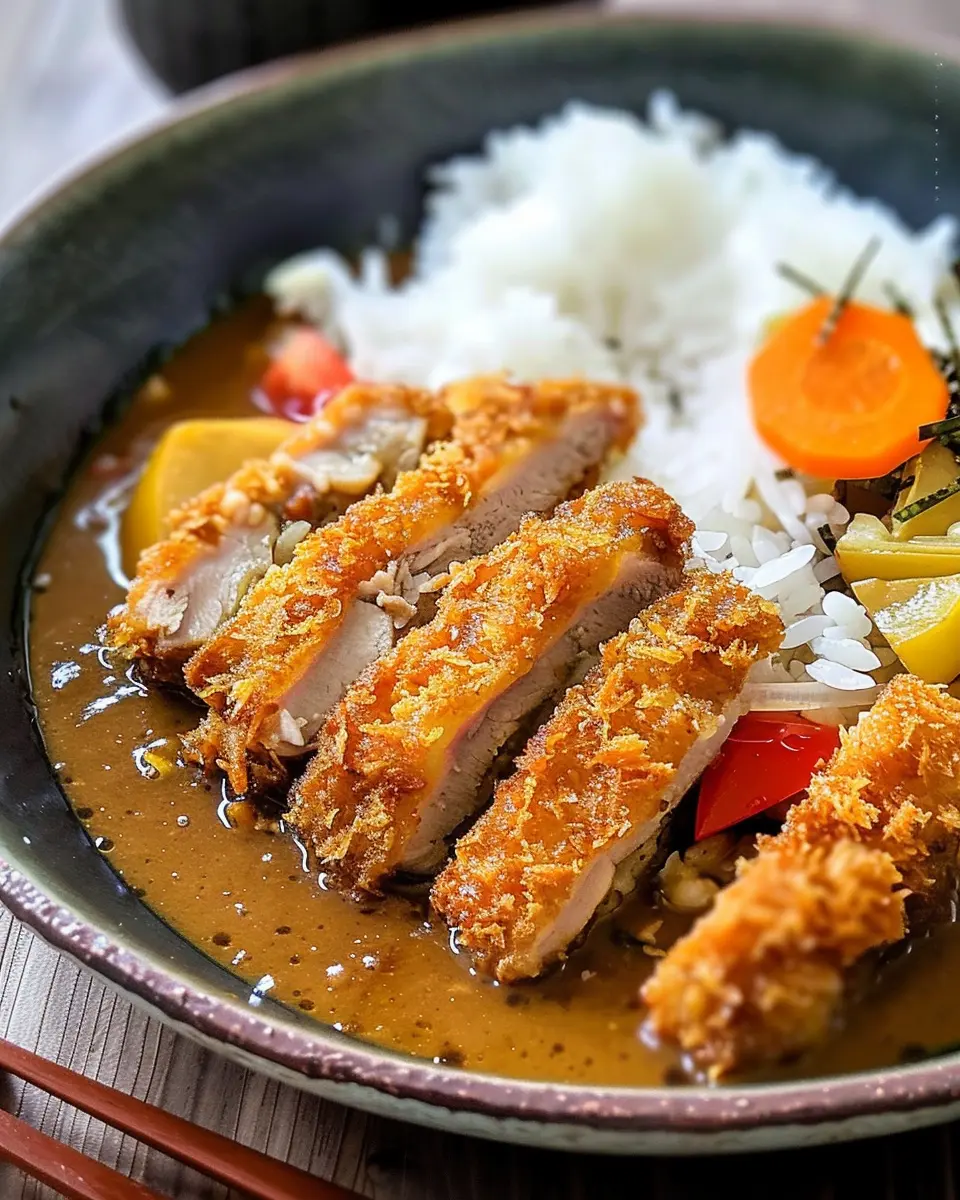
Katsu curry is more than just a meal; it’s a delicious blend of flavors that has captured the hearts (and taste buds) of many, especially in Japan. At its core, this dish brings together two beloved components: katsu, which refers to a breaded and deep-fried cutlet (traditionally pork but often made with chicken or beef these days), and curry, a rich and aromatic sauce. Together, they create a symphony of textures and tastes that’s both comforting and satisfying.
Curry has its roots in Japan but features a unique twist with ingredients that evoke a sense of home. The sauce is typically made from a mix of spices, vegetables, and a hint of sweetness which is thickened to create a luscious gravy-like consistency. Served over rice, the crunchy cutlet and hearty curry make for a balanced meal that feels special without being overly complicated to prepare.
For those keen on exploring the roots of this dish, consider diving into its history at Japan National Tourism Organization.
Why Young Professionals are Choosing Homemade Katsu Curry
Busy schedules often leave young professionals scrambling for quick meals, but homemade katsu curry is emerging as a favorite choice for several reasons. First off, cooking at home gives you the opportunity to control the ingredients, resulting in healthier meals without sacrificing flavor.
Here’s why many are opting for a home-cooked version:
-
Customization: You can tailor the recipe to fit your dietary preferences. Want to swap beef for turkey bacon? Go for it! Prefer adding extra vegetables or opting for gluten-free breadcrumbs? Your kitchen, your rules!
-
Cost-Effective: Eating out can be pricey, especially for high-quality Japanese cuisine. A homemade katsu curry is more affordable and still delivers that delightful restaurant experience right in your kitchen.
-
Quality Time: Cooking can be a therapeutic experience. Whipping up katsu curry allows you to unwind after a long day while also honing your culinary skills. Plus, it’s a great dish to share with friends for a cozy dinner night!
Using your creativity and culinary skills, you can elevate this traditional dish into something uniquely yours. So, why not roll up your sleeves and embark on the flavorful adventure of making katsu curry? It might just become your new go-to meal!
Ingredients for Katsu Curry
Essential Ingredients for the Curry
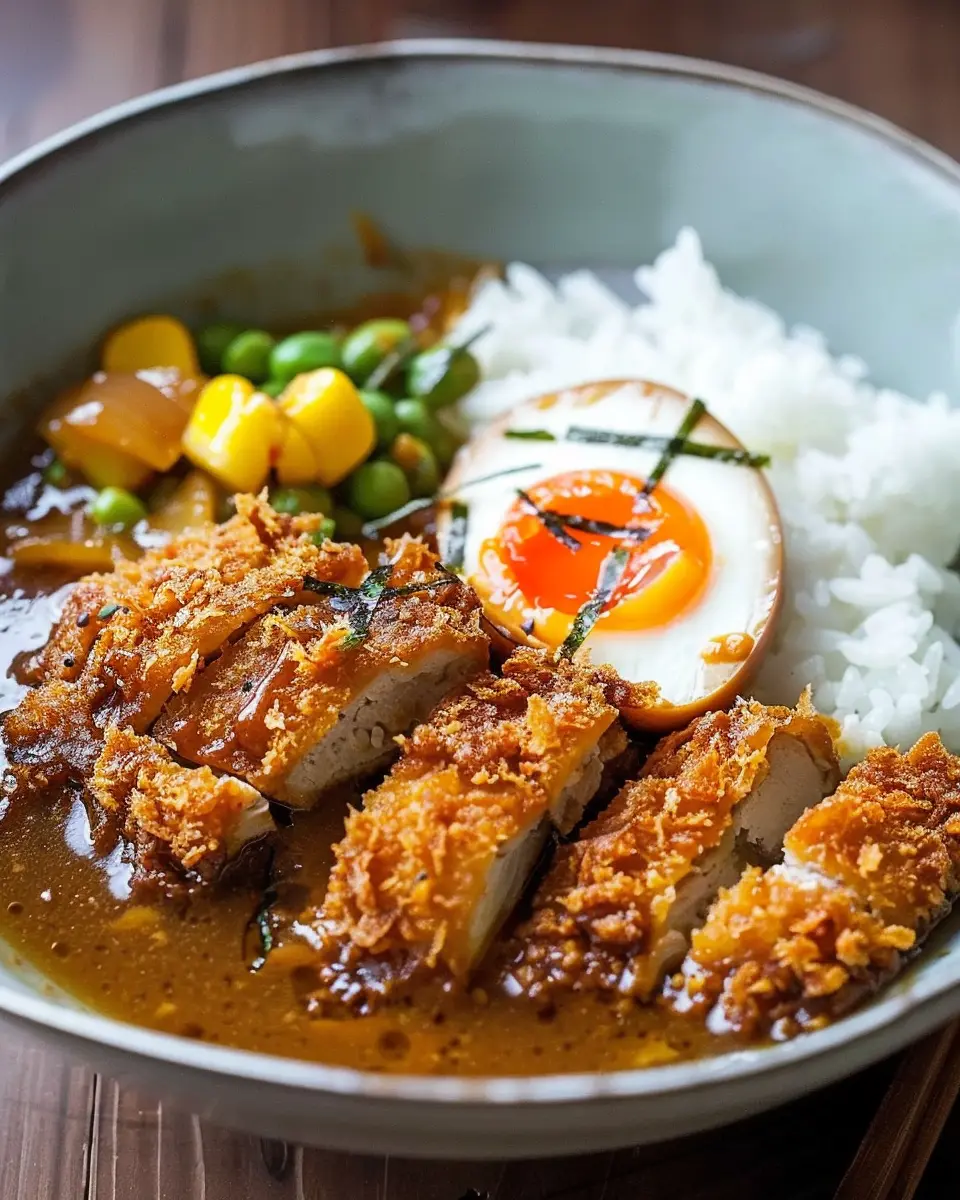
To create a mouthwatering katsu curry, you’ll need a few key ingredients that come together beautifully. Start with:
- Curry Roux: This is the star of the show! You can find Japanese curry roux at most grocery stores or online. Choose from mild to spicy based on your taste.
- Onions: They provide a rich base of flavor. Finely chop a couple of medium-sized onions.
- Carrots and Potatoes: These add sweetness and heartiness to your curry.
- Broth: Substitute with vegetable or chicken broth for a flavorful base.
- Soy Sauce: For an umami boost that truly elevates your dish.
Options for Katsu (Cutlet)
For the katsu, you can opt for various proteins:
- Chicken Cutlet: Tender, juicy, and widely loved.
- Beef Cutlet: This adds a rich, beefy flavor.
- Turkey Bacon: For a lighter twist, crispy turkey bacon works as a delicious alternative.
Accompaniments to Enhance the Dish
To truly make your katsu curry shine, consider these delightful accompaniments:
- Steamed Rice: The classic partner that absorbs the savory curry.
- Pickled Vegetables: A refreshing touch that cuts through the richness.
- Green Onions: Chopped and sprinkled on top for a fresh kick.
For more tips on enhancing your curry experience, check out Epicurious for additional ideas!
Now that you know the essentials, you’ll be on your way to whipping up an unforgettable katsu curry.
Preparing Katsu Curry
Making katsu curry is a fun and rewarding culinary adventure that combines rich flavors with a satisfying crunch. Young professionals looking to impress guests or simply enjoy a cozy night in will find this dish both accessible and delightful. Let’s dive into the steps to create this iconic Japanese comfort food!
Step 1: Prepare the curry base
Start by gathering your ingredients for the curry base. Using a good mix of spices is key to developing a rich flavor profile. You’ll need:
- 1 onion, finely chopped
- 2 carrots, diced
- 2 potatoes, cubed
- 2 tablespoons curry powder (adjust to your spice preference)
- 4 cups low-sodium chicken or vegetable stock
- 1 tablespoon soy sauce
- 1 tablespoon grated ginger
- Salt and pepper to taste
In a large pot, sauté the onions over medium heat until they’re translucent, about 5 minutes. Add the carrots, potatoes, and ginger, cooking for another 5 minutes until the vegetables begin to soften. Sprinkle in your curry powder to toast the spices and release their aroma. Pour in the stock and soy sauce, then simmer for about 20 minutes, or until the veggies are tender and the flavors meld beautifully. You can even check out this helpful guide on making authentic Japanese curry for more tips!
Step 2: Choose your katsu style
When it comes to katsu, you’ve got options! Traditionally, katsu is made with pork, but since we’re switching things up, you can use beef, chicken, or even tofu for a vegetarian option. Here’s how you make it crispy and delicious:
- Beef Katsu: Choose a tender cut (like sirloin or ribeye), pound it thin, and bread it with panko for that signature crunch.
- Chicken Katsu: Tender chicken breast works wonders here. Simply flatten it and coat it in panko breading.
- Tofu Katsu: For a plant-based option, press and slice firm tofu. Coat it in panko and pan-fry until golden.
Whichever protein you pick, remember to season it with salt and pepper before breading!
Step 3: Cook the Japanese short-grain rice
A perfect bowl of katsu curry isn’t complete without a side of fluffy Japanese short-grain rice. Rinse 1 cup of short-grain rice under cold water until the water runs clear, removing excess starch. Then, let it drain for about 30 minutes.
In a medium pot, combine your rinsed rice with 1.2 cups of water (Japanese rice tends to use less water than other types). Bring to a boil, then reduce the heat, cover, and let it simmer for about 18 minutes. After it’s cooked, let the rice sit for another 10 minutes in the pot, still covered. Fluff it with a fork before serving.
Step 4: Assemble the dish
Now, it’s time for the assembly! On a warm plate, serve a generous scoop of rice on one side. Ladle a portion of your rich curry over the other side, then top it with your crispy katsu. This contrast of textures and flavors is what makes katsu curry truly special.
Step 5: Garnish and serve
To elevate your dish, add some fresh garnishes! A sprinkle of chopped green onions or a few slices of pickled ginger can add a burst of color and flavor. Consider serving with a side of your favorite Asian salad or some steamed vegetables for a full meal experience.
And there you have it! A comforting bowl of katsu curry can bring warmth to any evening. Whether it’s a weeknight dinner or a weekend treat, you’ll find joy in every bite. Don’t forget to invite some friends over to share the love—food is always better when enjoyed together!
Variations on Katsu Curry
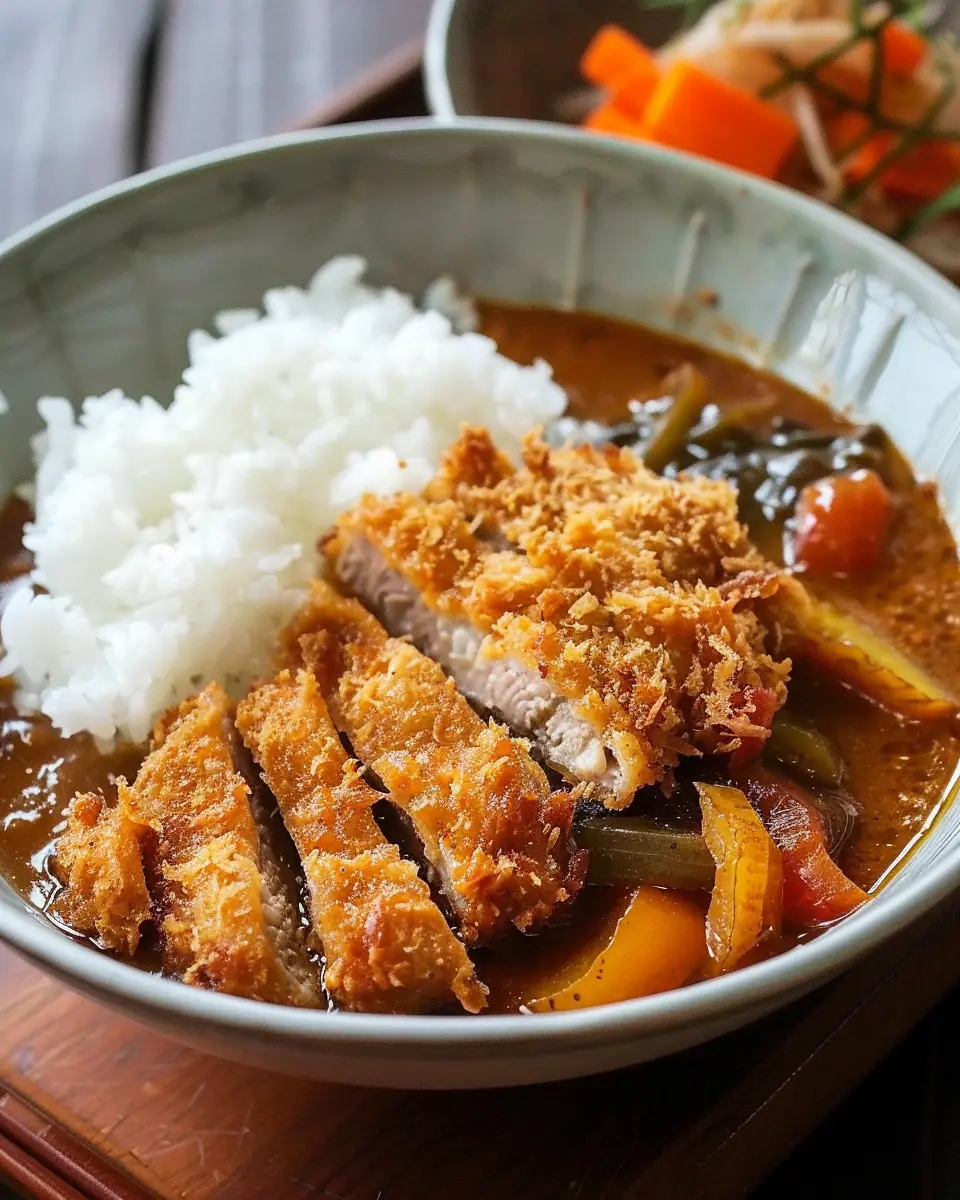
When it comes to katsu curry, the sky’s the limit! This beloved dish can be adapted in countless ways to suit your taste or dietary preferences. Here are some delightful variations to get creative with your next katsu curry night.
Vegetarian Katsu Curry Alternatives
If you’re looking to enjoy katsu curry without meat, you have fantastic options:
- Crispy Tofu: Marinate firm tofu in a mix of soy sauce and garlic, then coat it in panko breadcrumbs. The result is a crunchy, satisfying cutlet that pairs beautifully with the curry sauce.
- Eggplant Katsu: Sliced eggplant can absorb flavors wonderfully. Simply coat your eggplant slices and fry until golden for a hearty vegetarian option.
Check out BBC Good Food for noodle and vegetable side suggestions that complement this!
Unique Katsu Cutlet Ideas
Want to surprise your guests? Here are some unique twists on the traditional cutlet:
- Beef Katsu: Swap pork for thinly sliced tender beef. The juiciness of the beef melds perfectly with the rich curry sauce, creating a savory delight.
- Turkey Bacon-Katsu: For a fun twist, use turkey bacon. Wrap it around a piece of chicken ham, bread it, and fry until crispy. It’s a delicious mix of flavors!
Custom Curry Spice Mixes
Your katsu curry will shine even brighter with a custom spice blend. Here’s how to craft your own:
- Basic Blend: Combine curry powder, turmeric, cumin, and a pinch of chili powder for heat.
- Herb Infusion: Consider adding fresh cilantro or basil for an aromatic lift.
Experimenting with your spices can elevate your dish from ordinary to extraordinary. You can find more about spices at Healthline.
With these variations, your katsu curry will never feel monotonous. Every night can be an inspiring culinary adventure!
Cooking Tips and Notes for Katsu Curry
Ensuring the perfect crunch on your katsu
To achieve that irresistible crunch in your katsu curry, start by using panko breadcrumbs, which give a light and crispy texture. Make sure your meat is thinly sliced and seasoned well. When breading, coat the meat in flour, dip it in beaten eggs, and finally cover it in panko, pressing gently to adhere. Fry the katsu in hot oil—ideally, around 350°F—until golden brown for a fantastic crunch every time.
Best practices for making rice
Cook your rice using a rice cooker or the absorption method for fluffiness. Rinse the rice thoroughly to remove excess starch and achieve that perfect, separated grain. If you want a touch of flavor, consider adding a bit of dashi or kombu while cooking, linking it beautifully to the flavors in your katsu curry.
Making the curry ahead for enhanced flavors
Curry benefits from resting, so consider preparing it a day in advance. The flavors meld beautifully overnight, and when reheated, your katsu curry will taste even better. Store the curry in the refrigerator and simply warm it up when you’re ready to serve, making it a hassle-free option for busy weeknights.
For more tips on Asian cuisine, check out Serious Eats for expert advice.
Serving Suggestions for Katsu Curry
Ideal Plate Presentation
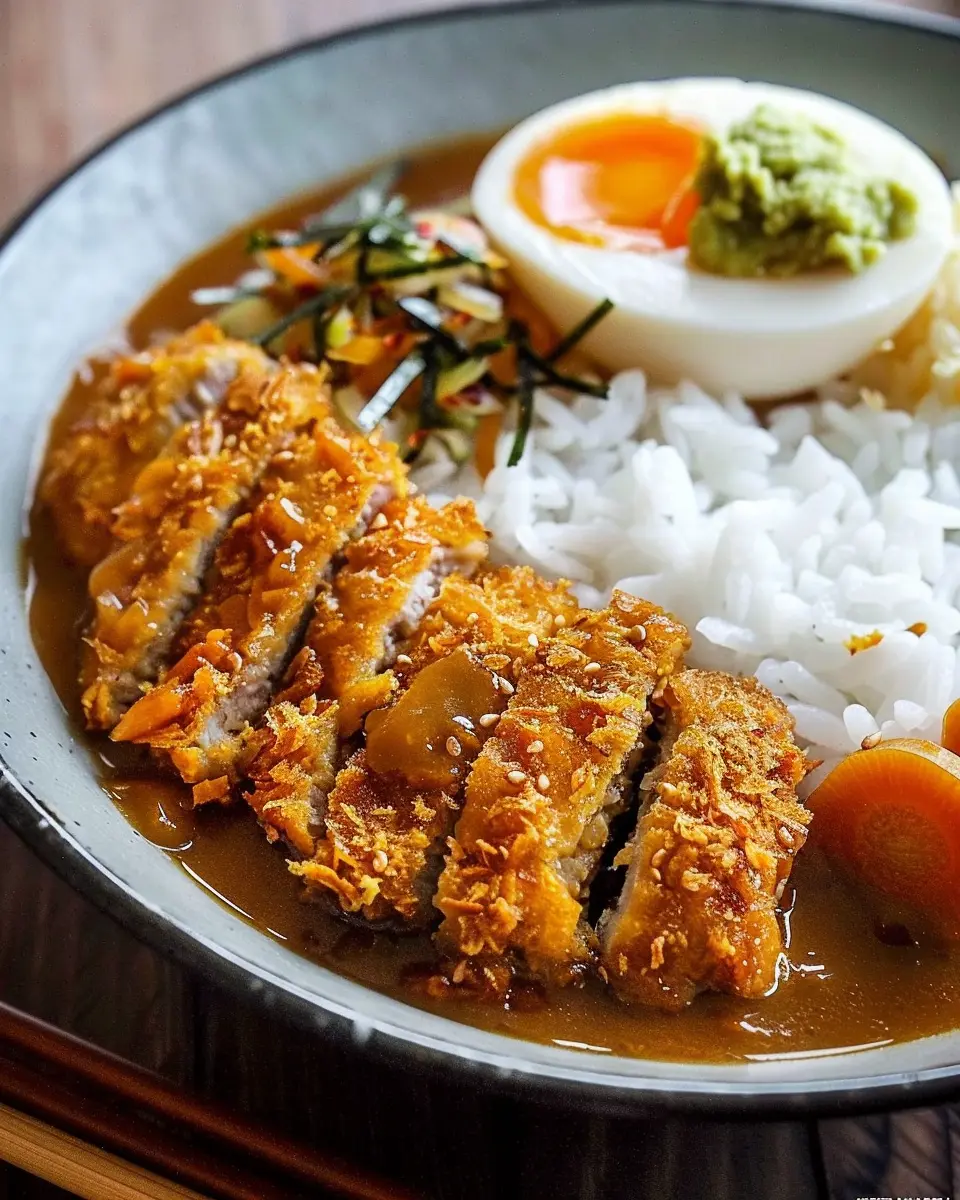
When serving katsu curry, visuals play a crucial part in the experience! Begin with a generous scoop of fluffy white rice, ideally a half or full cup, and ensure that it’s shaped into a mound for a pleasing aesthetic. Next, place the golden-brown cutlet alongside, sliced neatly so guests can see that crispy texture. Drizzle the savory curry sauce over the cutlet and rice, allowing it to cascade slightly for an inviting look. A sprinkle of finely chopped green onions or toasted sesame seeds can add a dash of color, elevating your dish even further.
Pairing Sides or Drinks
To elevate your katsu curry experience, consider some tempting sides or drinks. A fresh side of cucumber and carrot salad dressed with rice vinegar balances out the richness, while lightly pickled vegetables add a delightful crunch. For drinks, try pairing your meal with a refreshing iced green tea or a fruity sparkling water. If you’re feeling adventurous, a mango lassi can bring a creamy, tropical touch to your dish.
Explore more about Japanese flavors and meal pairing on sites like Serious Eats for fantastic insights!
Time Breakdown for Katsu Curry
Preparation Time
Getting ready for your delicious katsu curry doesn’t take long! You’ll need about 15-20 minutes to gather your ingredients, prepare the beef cutlet, and chop any extra veggies you want to add.
Cooking Time
The actual cooking process is quick and efficient. Expect to spend around 30 minutes frying the beef and simmering the curry sauce. With the aroma filling your kitchen, the finished dish will be ready before you know it!
Total Time
In total, you’re looking at approximately 45-50 minutes from start to finish. This makes it a perfect choice for a weeknight dinner when you want something scrumptious yet easy to whip up. Don’t forget to check out this link for more insights on katsu curry variations!
Nutritional Facts for Katsu Curry
When diving into the delightful world of katsu curry, it’s essential to know what you’re putting on your plate. Here are some important nutritional stats to keep in mind:
Calories
A typical serving of katsu curry packs approximately 700 calories. This makes it a hearty meal, perfect for those days when you’re looking for comfort or need energy after a long day.
Protein
This dish is also rich in protein, offering around 25 grams per serving, thanks to the crispy katsu—whether you’re using chicken or beef. Protein is crucial for muscle recovery and keeping you feeling full.
Sodium
However, a word of caution: a serving can contain around 1,200 mg of sodium. While sodium is vital for bodily functions, excessive intake can lead to health concerns. Consider balancing your meal with fresh vegetables to help keep sodium levels in check.
If you want to learn more about managing your sodium intake, check out this article from the American Heart Association. For those keen on diving deep into the nutritional benefits of katsu curry, the USDA FoodData Central is an excellent resource. Enjoy your delicious meal while keeping these facts in mind!
FAQs about Katsu Curry
How can I customize my katsu curry?
One of the best things about katsu curry is its versatility. Want to switch things up? Here are a few ways to customize your dish:
- Different Proteins: While traditional recipes often feature chicken or pork, why not try it with beef or even Turkey Bacon for a unique twist?
- Veggies Galore: Add a variety of vegetables like carrots, bell peppers, or green beans to boost nutrients and flavor. Roasted vegetables can also elevate your dish.
- Gluten-Free Options: If you’re gluten-sensitive, consider using gluten-free breadcrumbs for your katsu or even try a light batter made from almond flour.
What are some common mistakes to avoid?
When preparing katsu curry, it’s easy to fall into a few traps. Here are some common missteps to avoid:
- Overcooking the Proteins: Ensure your meat is tender by avoiding overcooking it. Juicy katsu is key to a delicious meal!
- Skipping the Curry Roux: Don’t overlook the quality of your curry roux. Pre-made blends can vary greatly, so choose one that suits your taste.
- Using Too Much Oil: When frying your katsu, avoid using too much oil to prevent your dish from becoming greasy.
Can I make katsu curry ahead of time?
Absolutely! Katsu curry can be prepped ahead of time, making it a great choice for busy evenings. You can:
- Make the Curry Sauce: Prepare the curry sauce a day in advance and store it in the fridge. Reheat it before serving.
- Cook the Proteins Separately: You can fry your katsu and then reheat it in the oven before serving to retain its crispy texture.
By planning ahead, you can enjoy a comforting bowl of katsu curry with minimal fuss on your busy nights.
For more information on customizing your curry, visit Serious Eats for additional tips.
Conclusion on Katsu Curry
Recap of why it’s a must-try recipe for young professionals
In the bustling lives of young professionals, Katsu Curry stands out as a comforting, quick-to-make meal that fuels your busy days. It combines crispy, delicious beef cutlets with a rich, flavorful curry sauce, all on a bed of rice. Not only is it satisfying, but it’s also adaptable, making it perfect for any dietary preference or busy schedule.
Encouragement to explore and personalize the dish
Don’t hesitate to make this dish your own! Add your favorite vegetables, experiment with spices, or even try different proteins like vegan alternatives. The beauty of Katsu Curry is in its versatility. Find inspiration from various recipes online or create unique twists—you might just surprise yourself! For more tips and variations, you can check resources like BBC Good Food or Serious Eats for ideas that could elevate your cooking experience.
Enjoy crafting your perfect bowl, and savor every delicious bite!
Katsu Curry: The Best Comfort Food You Can Make at Home
Katsu curry is the ultimate comfort food, bringing warmth and satisfaction to your table.
- Prep Time: 20 minutes
- Cook Time: 30 minutes
- Total Time: 50 minutes
- Yield: 4 servings 1x
- Category: Main Course
- Method: Frying
- Cuisine: Japanese
- Diet: Gluten-Free
Ingredients
- 2 cups rice
- 4 pieces pork loin
- 1 cup panko breadcrumbs
- 2 tablespoons curry powder
- 1 onion finely chopped
- 1 carrot sliced
- 4 cups vegetable broth
- 2 tablespoons soy sauce
- 3 tablespoons flour
- 1 egg
- Salt to taste
- Oil for frying
Instructions
- Cook the rice according to package instructions.
- Season the pork with salt and dredge in flour, dip in beaten egg, then coat with panko.
- Fry the pork until golden brown, about 4-5 minutes per side.
- In another pan, sauté the onions and carrots until soft.
- Add the curry powder and flour, stirring to combine.
- Slowly pour in the vegetable broth and soy sauce, bringing to a simmer.
- Serve the crispy pork over rice and ladle the curry sauce on top.
Notes
- For extra crunch, double coat the pork by repeating the egg and panko step.
- Adjust the spice level by adding more or less curry powder.
Nutrition
- Serving Size: 1 plate
- Calories: 650
- Sugar: 5g
- Sodium: 800mg
- Fat: 30g
- Saturated Fat: 5g
- Unsaturated Fat: 15g
- Trans Fat: 0g
- Carbohydrates: 70g
- Fiber: 3g
- Protein: 25g
- Cholesterol: 80mg
Keywords: Katsu Curry, comfort food, Japanese cuisine, homemade curry