
Introduction to the Japanese Egg Sandwich
A Brief Background on Tamago Sando
If you’re on the hunt for a delightful and quick meal, look no further than the Japanese egg sandwich, also known as tamago sando. This charming dish has become a beloved staple in Japan, often found in convenience stores and cafes. The beauty of tamago sando lies not only in its simplicity but also in its rich, delicious flavors. Historically, this sandwich has roots that trace back to the post-war era when ingredients were carefully rationed, leading to creative culinary innovations.
Tamago sando typically combines creamy, seasoned scrambled eggs or egg salad with fluffy white bread, making it both a comfort food and a convenient on-the-go option. What truly sets apart this sandwich, however, is the meticulous way it is prepared. Japanese cuisine often emphasizes presentation and technique, which means each bite of tamago sando is not just tasty; it’s also a feast for the eyes.
Did you know that the popularity of tamago sando has surged beyond Japan’s borders? Many food enthusiasts are discovering this savory sandwich as they explore recipes online and participate in food blogs and forums. According to Food Network, the trend of international sandwiches has gained traction, making dishes like the Japanese egg sandwich a global sensation. This sandwich is perfect for anyone seeking a sophisticated twist on a classic.
What’s in a Tamago Sando?
The classic filling of a tamago sando is typically made from a mix of boiled eggs, mayonnaise, salt, and a hint of pepper. Add some fresh herbs or a sprinkle of chili flakes to elevate the flavors. To make it even more special, you can use turkey bacon or chicken ham for a protein boost, or enjoy it plain for a vegetarian option.
Why You’ll Love It
What makes tamago sando a must-try is its versatility. Whether you’re aiming for a hearty breakfast, a light lunch, or a sumptuous snack, this sandwich fits the bill. Plus, it’s an incredible way to savor the magic of Japanese flavors in the comfort of your own home. Ready to give it a try? Let’s dive into the recipe!
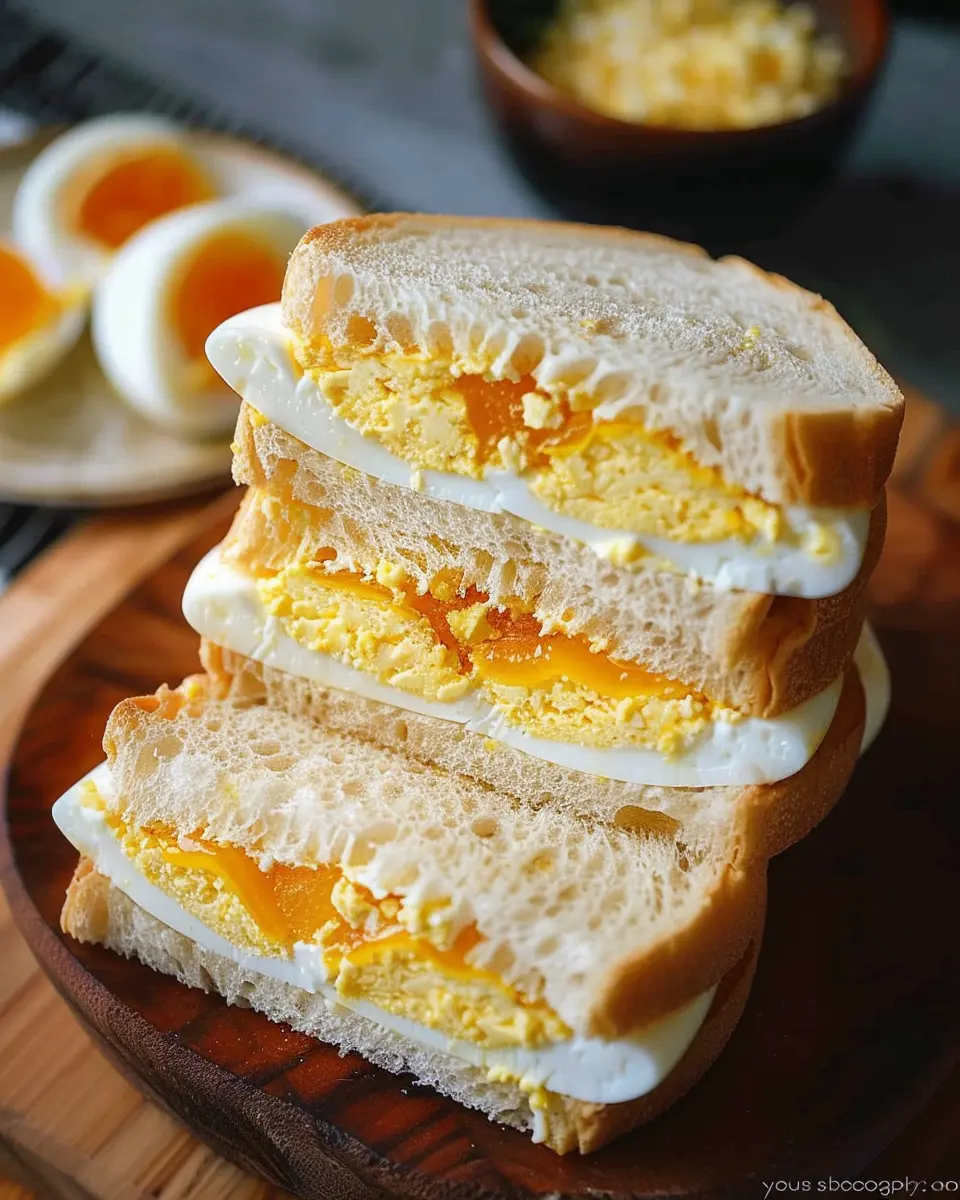
Ingredients for the Japanese Egg Sandwich
Essential ingredients for the egg salad
To craft a delightful Japanese Egg Sandwich, the egg salad is key. Here’s what you’ll need:
- Eggs: About 4 large ones—your foundation for that creamy goodness.
- Mayonnaise: A few tablespoons, for richness; preferably Japanese mayo for that subtle umami.
- Mustard: Just a teaspoon adds a tangy kick.
- Salt and pepper: Season to taste, enhancing the flavors.
- Scallions or chives: A sprinkle for freshness and color.
These core ingredients create a simple yet satisfying filling. For an extra twist, feel free to fold in some diced cucumbers or a touch of sugar for that sweet note!
Bread choices and alternatives
Now, let’s talk bread—the unsung hero of your Japanese Egg Sandwich. Traditional options include:
- Shokupan (Japanese milk bread): Soft and slightly sweet, it’s the top choice.
- Whole wheat: If you crave a nutty flavor and more fiber.
- Sourdough: For a tangy twist and a heartier texture.
Not a bread fan? Consider using lettuce wraps or rice paper for a gluten-free delight! Whichever you choose, you’ll want something that complements that luscious egg salad filling perfectly. For more tips on bread selections, check out this bread guide to elevate your sandwich game.
Preparing the Japanese Egg Sandwich
Creating the perfect Japanese Egg Sandwich (Tamago Sando) is both a science and an art. With each step deliberately crafted to bring out the best of ingredients, you’ll quickly find that this delightful treat is just as satisfying to make as it is to eat. It’s a beloved staple in Japan, often found in convenience stores, but making your own at home allows you to tailor it to your taste. Let’s dive into the preparation!
Boiling the eggs to perfection
The foundation of a good Japanese Egg Sandwich is perfectly boiled eggs. Here’s how to achieve that creamy, custard-like texture.
- Choose your eggs: Fresh eggs work best. Medium to large sizes are preferable.
- Bring them to temperature: Let the eggs sit at room temperature for about 10 minutes to prevent cracking when boiling.
- Boil with care: In a pot, add water and eggs, ensuring they are fully submerged. Bring the water to a boil, then reduce the heat and simmer for exactly 9-10 minutes.
- Ice bath finish: Once cooked, plunge the eggs into an ice bath for 5-10 minutes. This halts the cooking process and aids in easier peeling.
Upon cracking those shells open, you’ll want to celebrate that vibrant yellow yolk! If you’re curious about the health benefits of eggs, feel free to check out studies from sites like Healthline for detailed insights.
Making the creamy egg salad
Next up is crafting the delightful egg salad. This is where you can really let your culinary creativity shine.
- Peel and chop: Start by peeling your boiled eggs—this step should be a breeze thanks to that ice bath! Roughly chop the eggs into bite-sized pieces.
- Mix the base: In a bowl, combine the chopped eggs with mayonnaise. For a twist, try adding sour cream or Greek yogurt for extra creaminess.
- Season it up: Add a splash of soy sauce, a hint of mustard, and freshly cracked black pepper to taste. Feel free to customize—some folks like adding a pinch of sugar or chopped green onions.
- Texture matters: Aim for a chunky yet creamy consistency. Not too smooth, as you want an inviting feel that gives your Japanese Egg Sandwich character.
Assembling the sandwich with care
Now that your egg salad is ready, it’s time to put together your sandwich.
- Choose bread wisely: For an authentic touch, opt for soft white bread or shokupan, a fluffy Japanese milk bread. The softness will cradle your filling perfectly!
- Spread generously: Take a slice of bread and spread an even layer of your egg salad, reaching all corners.
- Top and cover: If you’re feeling adventurous, add slices of turkey bacon or chicken ham for added flavor. Place another slice of bread on top, pressing gently to hold everything in place.
The finishing touches: Buttery goodness
Ah, the perfect finish! A light toast is where your sandwich transforms into something truly special.
- Butter it up: Spread a thin layer of softened butter on the outsides of the sandwich. This gives it an irresistibly golden crust when toasted.
- Pan-fry perfection: Heat a non-stick skillet over medium heat. Grill the sandwich for about 2-3 minutes on each side until golden brown and crispy.
Trust me; this buttery goodness elevates your Japanese Egg Sandwich from delightful to divine!
Optional crust trimming for aesthetic appeal
If you’re aiming for that picture-perfect presentation, you may want to trim the crusts.
- Trim with care: Use a sharp knife to carefully cut off the edges, giving your sandwich a clean, refined look.
- Presentation is key: You can cut your sandwich diagonally or into smaller rectangles for ideal finger food proportions.
Aesthetics matter—not only for Instagram, but for the overall dining experience!
Enjoy preparing your very own Japanese Egg Sandwich at home, and take a moment to revel in the delicious, creamy flavors. Whether along with a cup of green tea or as a grab-and-go lunch, this sandwich offers comfort and richness in every bite. Happy cooking!

Variations on the Japanese Egg Sandwich
The classic Japanese egg sandwich, or tamago sando, is incredibly versatile, making it a delightful canvas for culinary creativity. Let’s explore some unique variations that can elevate your sandwich experience.
Adding Turkey Bacon for a Savory Twist
If you’re looking to add a savory crunch to your Japanese egg sandwich, consider incorporating turkey bacon. This leaner alternative brings a delightful smokiness without overwhelming the subtle flavors of the egg. Simply cook the turkey bacon until crispy, then layer it within your sandwich for that perfect balance of creaminess and crunch. Not only does it enhance the overall flavor, but it also adds a satisfying texture that is hard to resist.
Incorporating Chicken Ham for Extra Flavor
For those who prefer a meaty element, chicken ham is a fantastic addition. It offers a gentler taste compared to traditional meats, ensuring that the main star—the egg—remains the focus. A few slices of chicken ham can infuse your Japanese egg sandwich with moisture and umami, elevating each bite. Plus, it’s a great choice for those watching their calorie intake while still wanting a satisfying meal.
Creative Mix-Ins and Toppings for Personalization
Don’t be afraid to get creative! Here are some simple mix-ins and toppings that can take your tamago sando to the next level:
- Avocado: Add a slice or two for creaminess and healthy fats.
- Shredded carrots: These add a nice crunch and a pop of color.
- Sriracha or wasabi mayo: For those who enjoy a kick, these condiments can add a spicy flair.
- Fresh herbs: A sprinkle of chives or cilantro can brighten the flavor profile.
Experimenting is part of the fun! What unique twist will you add to your next Japanese egg sandwich?
Cooking Tips and Notes for the Japanese Egg Sandwich
Choosing the Right Mayonnaise for Taste
The Japanese Egg Sandwich, or Tamago Sando, is all about the delicate balance of flavors, and the right mayonnaise can make a significant difference. Look for Japanese mayonnaise, like Kewpie, which has a uniquely rich and slightly tangy flavor. It’s creamier than its Western counterparts due to the use of egg yolks only, providing a luxurious texture that elevates your egg filling. For an alternative, try mixing regular mayonnaise with a touch of rice vinegar to replicate that authentic depth.
Egg Boiling Techniques: Soft vs. Hard-Boiled
When it comes to eggs, your boiling technique will affect the overall texture of your Japanese Egg Sandwich. For a firmer filling, hard-boil your eggs by simmering them for about 9-12 minutes, depending on the size. If you prefer a creamier filling, opt for a soft-boiled egg, cooking for just 6-7 minutes and then plunging them into ice water to stop the cooking. Remember, the key to a delightful sandwich is perfectly mashed eggs that blend smoothly with your chosen mayonnaise.
Feel free to experiment with additional ingredients like chopped green onions or a dash of salt for flavor enhancements! If you’re interested in more tips, sites like Serious Eats offer great resources on egg cooking techniques.

Serving Suggestions for the Japanese Egg Sandwich
Perfect pairings: Side dishes and beverages
To elevate your Japanese Egg Sandwich, consider serving it with light side dishes that complement its creamy texture. Options like a crisp side salad with sesame dressing or a simple miso soup can add a refreshing contrast. For a quick bite, some crispy cucumber pickles offer an enjoyable crunch.
When it comes to beverages, try pairing your Tamago Sando with refreshing iced green tea or a light fruit-infused water. These options not only cleanse the palate but also enhance the sandwich’s flavors seamlessly.
Ideal occasions for serving Tamago Sando
The versatility of the Japanese Egg Sandwich makes it ideal for various occasions. Whether you’re looking for a quick lunch at work or a delightful picnic treat, it ticks all the boxes. It’s also perfect for brunch gatherings or casual get-togethers with friends.
Imagine serving these tasty sandwiches at a cozy movie night or potluck—you’ll be the star of the show! For more ideas, check out this guide on perfect picnic foods or brunch favorites.
Time Breakdown for the Japanese Egg Sandwich
Preparation time
Getting started with your Japanese Egg Sandwich is a breeze. You’ll need about 10-15 minutes to gather all your ingredients and prep. This includes hard-boiling your eggs and chopping any necessary components, such as green onions or adding spices to elevate the flavor.
Cooking time
The cooking aspect is quick, taking just about 5-7 minutes to cook the eggs just right if you prefer them creamy. Remember, the magic happens when you’re mixing them with mayonnaise and other flavors after they’re done!
Total time needed to enjoy
All in all, you’re looking at approximately 20-25 minutes from start to finish before you can dig into that delightful Japanese Egg Sandwich. Quite efficient for such a satisfying taste adventure!
If you’re eager to take your sandwich game up a notch, check out this guide on tamago sando variations and tips. The joy lies not just in the eating but also in the making!
Nutritional Facts for the Japanese Egg Sandwich
When you indulge in a delicious Japanese Egg Sandwich, it’s not just a treat for your taste buds; it also brings some nutritional benefits to the table! Here’s a quick look at the numbers.
Calories and nutritional highlights
A typical Japanese Egg Sandwich contains around 300 calories per serving. It’s a filling option that balances flavor and nutrition. What makes this sandwich particularly appealing is its simplicity, which brings out the wholesome goodness of eggs and bread. Plus, it provides healthy fats and a moderate amount of carbohydrates, making it a great choice for breakfast or a snack.
Macro breakdown: Protein, fats, and carbs
- Protein: Approximately 12 grams – thanks to the eggs!
- Fats: Roughly 15 grams – primarily healthy fats.
- Carbohydrates: About 30 grams – mostly from the bread.
This sandwich is a nutritious option that’s easy to prepare and can keep you energized throughout your day. If you want to take your breakfast game up a notch, consider adding some turkey bacon or chicken ham. You can find more information on balanced meal choices at Nutrition.gov.
For a deeper dive into healthy eating habits, the Mayo Clinic is an excellent resource for anyone looking to understand their dietary needs better. So why not whip up a batch and enjoy a delightful Japanese Egg Sandwich today?
FAQs about the Japanese Egg Sandwich
Can I make the egg salad in advance?
Absolutely! One of the best features of the Japanese Egg Sandwich is its flexibility. You can prepare the egg salad a day ahead. Just store it in an airtight container in the refrigerator. This not only saves time on busy mornings but also allows the flavors to develop even further. When you’re ready to assemble, simply spread the egg salad on your chosen bread, and voilà—a delicious sandwich is ready in minutes!
What bread works best for Tamago Sando?
When it comes to Tamago Sando, soft, fluffy bread is key. Look for:
- Shokupan: This traditional Japanese milk bread is incredibly soft and slightly sweet, making it a perfect match for the creamy egg salad.
- Pullman Loaf: If you can’t find shokupan, a white Pullman loaf is a great alternative. Its uniform slices are ideal for nice, clean edges on your sandwich.
Avoid crusty bread types, as they can overpower the subtle flavors of the egg salad.
How can I customize this sandwich without losing its essence?
The beauty of the Japanese Egg Sandwich is its versatility. Here are some ideas to make it your own while still staying true to the dish:
- Add some crunch: Mix in finely chopped cucumber or lettuce for a refreshing crunch.
- Spice it up: A touch of wasabi or sriracha can add a surprising kick without overshadowing the egg flavor.
- Experiment with proteins: Swap regular eggs for a mix of Turkey Bacon or Chicken Ham for added texture and flavor.
For a deeper dive into sandwich customization, check out this insightful article that shares some trends that can inspire your creations.
Conclusion on the Japanese Egg Sandwich
The Japanese Egg Sandwich, or Tamago Sando, is more than just a delicious snack; it’s a blend of simplicity and elegance that captures the essence of Japanese cuisine. This delightful sandwich, with its creamy egg filling and soft bread, is perfect for a quick breakfast or a satisfying lunch. Not only is it easy to prepare at home, but it also allows you to customize it to your taste—try adding some turkey bacon or chicken ham for a protein boost, or toss in fresh herbs to awaken those flavors.
So, why not give this delightful treat a try? Enjoy the comforting taste and texture of this versatile sandwich. For more about Japanese culinary experiences, check out Just One Cookbook or explore Japanese Cooking 101. Happy sandwich making!
Japanese Egg Sandwich: The Easy, Comforting Twist You’ll Love

A delicious take on the classic Japanese egg sandwich, known as Tamago Sando, that’s easy to make and perfect for any meal.
- Prep Time: 10 minutes
- Cook Time: 15 minutes
- Total Time: 25 minutes
- Yield: 2 servings 1x
- Category: Sandwiches
- Method: grilling
- Cuisine: Japanese
- Diet: vegetarian
Ingredients
- 4 large eggs
- 2 tablespoons mayonnaise
- 1 teaspoon Dijon mustard
- Salt to taste
- 1 tablespoon butter
- 4 slices soft white bread
Instructions
- Boil the eggs for 10 minutes, then cool and peel them.
- Mash the eggs in a bowl and mix in the mayonnaise, Dijon mustard, and salt.
- Spread butter on one side of each slice of bread.
- Place the egg mixture between two slices of bread, buttered sides out.
- Grill the sandwich until golden brown on both sides.
- Cut into halves or quarters to serve.
Notes
- For extra flavor, add chopped green onions to the egg mixture.
- Use different types of bread for varied textures.
Nutrition
- Serving Size: 1 sandwich
- Calories: 350
- Sugar: 1g
- Sodium: 300mg
- Fat: 25g
- Saturated Fat: 5g
- Unsaturated Fat: 18g
- Trans Fat: 0g
- Carbohydrates: 30g
- Fiber: 1g
- Protein: 12g
- Cholesterol: 300mg
Keywords: Japanese Egg Sandwich, Tamago Sando, easy recipe