Introduction to Amish White Bread
The charm of homemade bread
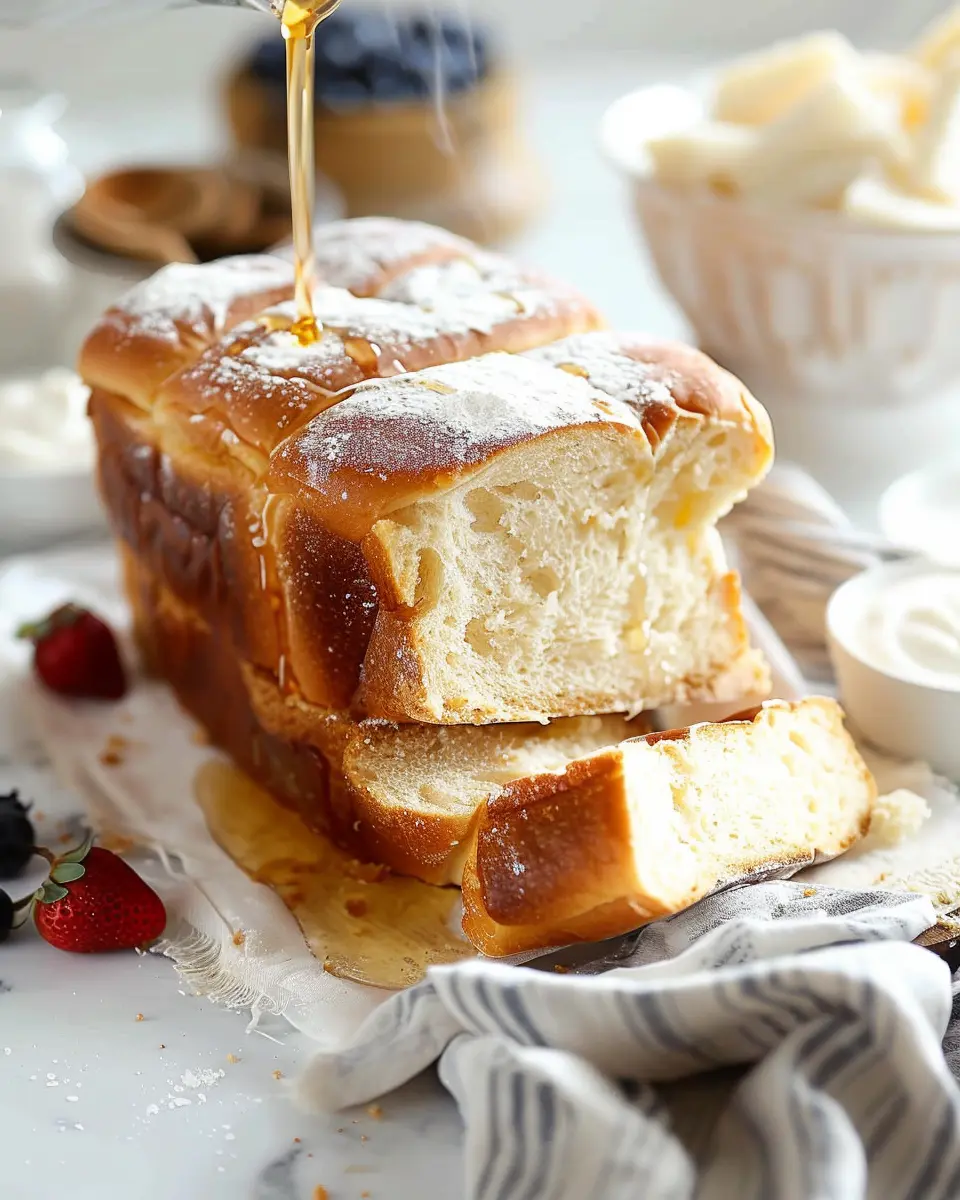
There’s something truly magical about the aroma of freshly baked bread wafting through your home. The act of making bread is almost therapeutic; it invites you to slow down, connect with the ingredients, and create something nourishing. Homemade bread tends to be softer, fluffier, and far more delightful than store-bought options—this is especially true when it comes to Amish White Bread.
Imagine slicing into a loaf of this beautiful bread, each piece bursting with a tender crumb and rich flavor. It pairs wonderfully with everything from Turkey Bacon to a simple peanut butter and jelly sandwich, making it a versatile staple in any kitchen. Homemade bread is not just about taste; it’s about the joy and fulfillment that comes from creating something from scratch. Plus, there’s a certain charm in sharing a loaf with friends or family, and making memories around the kitchen table.
Why choose Amish White Bread?
You might be wondering, what makes Amish White Bread stand out among other bread recipes?
- Ample rising power: The use of active yeast gives this bread its signature light and airy texture.
- Simple ingredients: This recipe typically calls for a few pantry staples, including flour, sugar, milk, salt, and yeast—no preservatives or additives in sight.
- Nutritional balance: Did you know that homemade white bread can actually be more nutritious than store-bought varieties? You can control the ingredients, ensuring that you’re making a healthier choice for your meals.
- Culinary versatility: Use slices for sandwiches, toast, or even French toast for a delightful breakfast. Given its soft texture and neutral flavor, it beautifully complements savory and sweet dishes alike.
Whether you’re an experienced home baker or just getting started, making Amish White Bread is a rewarding experience. With each bite, you’re not just savoring the flavors but also embracing a piece of history and tradition in your kitchen. For a more in-depth exploration of baking, check out this guide on bread-making techniques that will further enhance your skills!
Ingredients for Amish White Bread
Essential ingredients for a perfect loaf
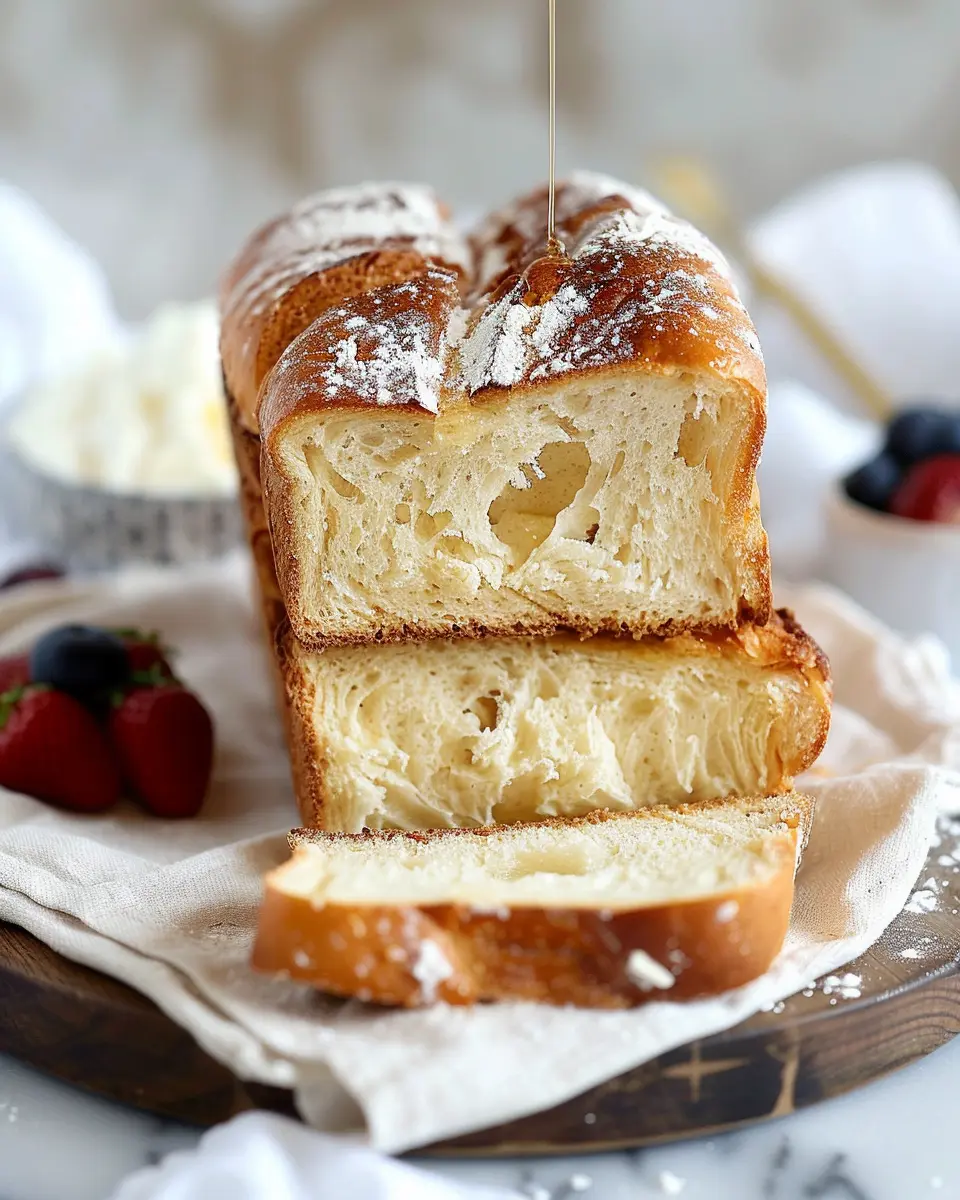
Creating a delightful loaf of Amish White Bread starts with a few staple ingredients that deliver that classic flavor and texture. Here’s what you’ll need:
- All-purpose flour: This is your main ingredient, giving the bread its structure.
- Water: Preferably lukewarm to activate the yeast effectively.
- Sugar: A bit of sugar helps activate the yeast and balances the flavors.
- Salt: Essential for seasoning and controlling yeast fermentation.
- Active dry yeast: The star ingredient for that airy lift.
- Vegetable oil: For moisture and to keep the bread fresh longer.
These essentials work together to create the soft and fluffy texture that everyone loves.
Optional ingredients for customization
While the basic recipe for Amish White Bread is fantastic as is, you might want to mix things up a bit. Consider these optional ingredients to tailor the bread to your taste:
- Honey or maple syrup: For a hint of sweetness.
- Milk: Replace some water for a richer flavor.
- Herbs or spices: Add garlic powder or rosemary for an aromatic twist.
- Nuts or seeds: Sprinkle in some chopped walnuts or sunflower seeds for crunch.
- Dried fruits: Raisins or cranberries can offer a delightful surprise.
Feel free to experiment! Just be cautious with the ratios to maintain that perfect loaf texture. Interested in the science behind baking? Check out King Arthur Baking for more insights.
Preparing Amish White Bread
Making your own Amish white bread is a heartwarming experience that brings rustic goodness into your kitchen. The delightful aroma that wafts through your home is simply unbeatable. Let’s walk through the process of preparing this cherished recipe in a straightforward, enjoyable way.
Gather your ingredients
Before diving into the fun of mixing and kneading, let’s start by gathering everything you need. Here’s what you’ll require:
- 4-5 cups all-purpose flour
- 2 tablespoons sugar
- 2 teaspoons salt
- 1 tablespoon active dry yeast
- 1/4 cup vegetable oil (or melted butter for a richer flavor)
- 1 3/4 cups warm water (110°F or 43°C)
Make sure your ingredients are fresh—especially the yeast—to ensure a lovely rise. Have everything ready to go to make the process seamless, and you’ll feel like a pro in no time.
Combine dry ingredients
In a large bowl, toss together the dry ingredients: flour, sugar, salt, and yeast. It’s crucial to mix them well so the yeast can distribute evenly and activate once it meets the warm water.
You might be wondering how to know if your yeast is still good. A quick test is to mix it with warm water and a touch of sugar—if it bubbles up after about 10 minutes, you’re good to go! For more on yeast and baking tips, check out this essential guide.
Mix wet ingredients
In another bowl, combine the vegetable oil and warm water. The warm water is key here; it should feel comfortable to the touch, not too hot, or it may kill the yeast. Stir the mixture until it’s well blended; this step helps in giving the dough a pleasant texture.
Form the dough
Now, it’s time to combine both wet and dry ingredients. Gradually add the wet mixture to the dry ingredients, stirring with a wooden spoon or spatula until a shaggy dough forms. Once the ingredients begin to come together, it’s your cue to get your hands in there! Knead for about 8 to 10 minutes until the dough is smooth and elastic. If it’s too sticky, don’t hesitate to sprinkle a bit more flour as needed.
First rise
Place the kneaded dough in a lightly greased bowl, cover it with a clean kitchen towel or plastic wrap, and let it rise in a warm place. Ideally, this should take about 1 to 1.5 hours or until it doubles in size. Patience is a virtue here, but the wait is well worth it!
Shape the dough
Once your dough has risen beautifully, gently punch it down to release the air. Transfer it to a floured work surface and divide the dough in half. Shape each half into a loaf by flattening it into a rectangle, rolling it from one end to the other while pinching seals along the way. Place these dough loaves into greased bread pans, seam-side down.
Second rise
Cover your shaped loaves with a kitchen towel again and let them rise for another 30 to 45 minutes. This is the secret to fluffy, airy bread—giving it a little bit more time to rise goes a long way.
Bake the bread
Preheat your oven to 350°F (175°C) when the loaves are almost done rising. Bake them for about 30-35 minutes or until they turn golden brown and sound hollow when tapped. If you’re after that perfect crust, brush the tops with melted butter right after they come out. This little touch adds a nice sheen and an extra layer of flavor.
Enjoy your freshly made Amish white bread warm, maybe even with some turkey bacon or chicken ham on the side for a delicious breakfast sandwich. Isn’t the process of baking just as rewarding as the end product? Dive into this baking adventure, and you’ll find the joy of homemade bread is like no other!
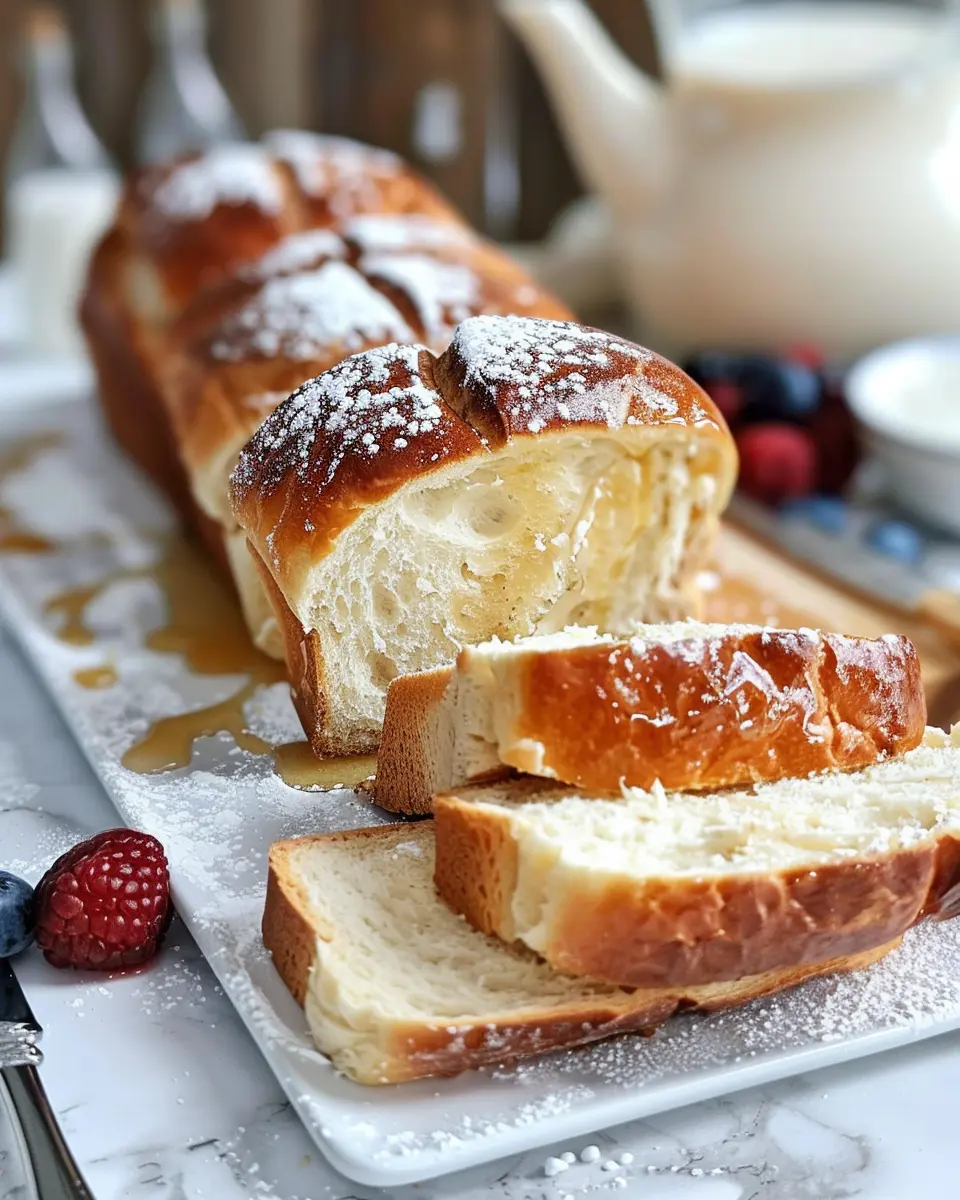
Variations on Amish White Bread
Whole Wheat Amish Bread
If you’re seeking a healthier twist on traditional Amish White Bread, consider incorporating whole wheat flour into your recipe. Whole wheat flour offers more fiber and nutrients, making your bread not only heartier but also more filling. Simply substitute half of the all-purpose flour with whole wheat flour to maintain that light texture while adding a nutty flavor.
Be mindful of the liquid ratio, as whole wheat flour absorbs more moisture. The dough might need a bit more water than the original recipe calls for. Don’t shy away from experimenting! According to a study from the Whole Grains Council, incorporating whole grains can reduce the risk of heart disease, so it’s a tasty and heart-healthy choice.
Herb-Infused Amish Bread
For a fragrant, savory take on Amish White Bread, infusing your dough with herbs can elevate your baking game. Adding herbs like rosemary, thyme, or oregano not only enhances the aroma as it bakes but also adds a unique flavor profile that pairs beautifully with various dishes.
Here’s how to do it:
- Start by mixing 1 to 2 tablespoons of dried herbs (or a handful of fresh) into your dry ingredients.
- You can also incorporate minced garlic for a flavorful boost or even a sprinkle of cheese for decadence.
This herb-infused variation shines as a side for soups or stews. Plus, it’s an excellent way to impress your friends at dinner parties! Need more inspiration? Check out this guide on herbs in baking for tips on what herbs work best.
With these variations, you’ll find that Amish White Bread can be a versatile canvas for your culinary creativity!
Baking Notes for Amish White Bread
Common Mistakes to Avoid
When making Amish White Bread, a few common pitfalls can derail your baking adventure. First, be mindful of your yeast. Always check the expiration date and ensure it’s fresh, since inactive yeast can lead to dense bread. Also, avoid using too much flour; your dough should be slightly sticky. If you’re unsure, it’s better to err on the side of less flour initially. Lastly, don’t skip the resting and rising times! Giving your dough ample time to rise is crucial for that fluffy texture.
Tips for Achieving the Perfect Crust
For a beautifully golden crust on your Amish White Bread, consider the following tips:
- Steam it: Place a pan of hot water in the oven during the first few minutes of baking to create steam, which will help form that crunchy crust.
- Brush with milk or butter: After baking, brush your bread with melted butter for a shiny finish.
- Bake to the right temperature: Use an oven thermometer to ensure accurate temperatures; a well-heated oven is key to achieving that perfect rise and crust.
For more in-depth baking techniques, consider checking out Baking Central. Happy baking!
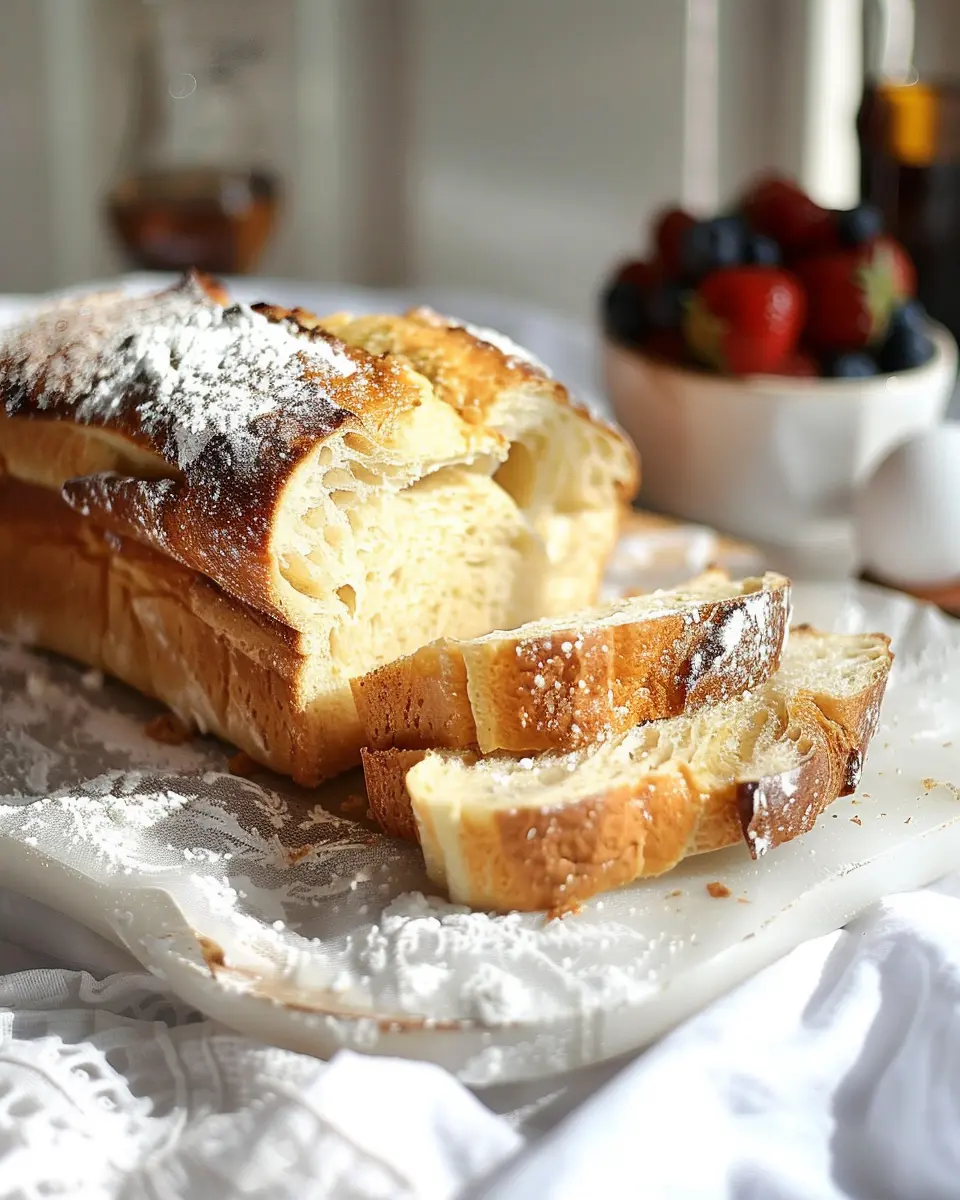
Serving suggestions for Amish White Bread
Perfect pairings for sandwiches
When it comes to crafting the ultimate sandwich with Amish White Bread, the possibilities are endless! This soft, fluffy bread serves as the perfect backdrop for vibrant flavors. Try a classic turkey bacon club, piled high with fresh lettuce and ripe tomatoes for a satisfying crunch. Alternatively, indulge in a savory chicken ham and cheese melt; the warmth of the melted cheese paired with the saltiness of the chicken ham creates a delightful bite. Don’t forget to consider some slices of crispy cucumber or a dollop of spicy mustard to kick things up a notch!
How to enjoy fresh bread
Freshly baked Amish White Bread deserves to be savored. One of the simplest pleasures is to enjoy it warm with a smear of rich, creamy butter that melts luxuriously on each slice. You could also turn it into a scrumptious French toast breakfast or a toasted avocado delight topped with a sprinkle of salt and pepper. If you’re feeling adventurous, consider making a homemade bruschetta by topping toasted slices with diced tomatoes, basil, and a drizzle of balsamic vinegar.
For inspiration on bread-based recipes, you might want to check out King Arthur Baking or BBC Good Food. These sites offer a wealth of ideas to elevate your bread-eating game!
Tips for making perfect Amish White Bread
Creating the perfect Amish White Bread at home might seem daunting, but with a few simple tips, you’ll be well on your way to making fluffy, delicious loaves.
Secrets to a soft and fluffy texture
A key element to achieving that signature softness in your Amish White Bread lies in your ingredients and technique. Here are some pointers:
- Use high-quality flour: Opt for bread flour, which has a higher protein content, resulting in a better structure and chew.
- Add vital wheat gluten: Mixing just a tablespoon or two into your flour can make a noticeable difference in the dough’s elasticity and texture.
- Don’t skip the fat: Incorporating butter or vegetable oil into your recipe not only adds flavor but also contributes to a tender crumb.
Best practices for kneading and rising
Proper kneading and rising are crucial for great bread. Here’s how to ensure success:
- Knead until smooth: Aim for about 8-10 minutes of kneading. The dough should be elastic but not sticky—feel free to sprinkle a bit of flour as needed.
- Give it time to rise: Allow the dough to double in size in a warm place, covering it with a damp cloth or plastic wrap. This could take 1 to 2 hours, so be patient!
- Punch down gently: Once risen, a gentle punch down helps to release gases and prepare your dough for shaping.
For more intriguing bread recipes, check out King Arthur Baking. Happy baking!
Time details for Amish White Bread
Preparation Time
When you’re ready to get started, set aside about 15 to 20 minutes for the preparation of your Amish White Bread. This phase includes gathering your ingredients, mixing them together, and kneading the dough. It’s a simple yet rewarding process that’ll have your kitchen smelling amazing.
Rising Time
The dough needs some time to rise, so be prepared for about 1 to 1.5 hours for the first rise. It’s essential for developing that soft texture we all love in homemade bread! While you wait, why not tackle a few chores or catch up on your favorite podcast?
Baking Time
Finally, your Amish White Bread will require about 30 to 35 minutes in the oven. As it bakes, the scent will fill your home, enticing everyone to gather in the kitchen. Make sure to check for that lovely golden crust—it’s the hallmark of perfectly baked bread!
For some great tips on bread rising and baking, check out resources from the King Arthur Baking Company or The Great British Bake Off. Happy baking!
Nutritional Information for Amish White Bread
Understanding the nutritional profile of Amish White Bread can help you enjoy it mindfully. This beloved recipe, often cherished for its soft texture and warm flavor, provides essential nutrients for your diet.
Calories
A slice of Amish White Bread typically contains around 120 calories. This makes it a satisfying but not overly indulgent addition to your meals.
Carbohydrates
Each slice packs in approximately 22 grams of carbohydrates. These carbs primarily come from the flour, making it a quick source of energy—perfect for those busy mornings.
Fiber Content
Though beloved for its taste, Amish White Bread isn’t a high-fiber option, providing about 1 gram of dietary fiber per slice. Pairing it with fiber-rich toppings like avocado or a hearty spread can enhance its nutritional value.
For additional details on improving your diet with wholesome breads, consider checking out resources from the Whole Grains Council or The American Heart Association.
FAQs about Amish White Bread
How can I tell if my bread has risen properly?
One of the keys to making perfect Amish White Bread is knowing when your dough has risen just right. A good rule of thumb is to look for the dough to double in size, which typically takes about 1 to 2 hours in a warm environment. You can do a simple finger test: lightly press your finger into the dough. If the indentation remains and doesn’t spring back, it’s ready for the next step. If it bounces back quickly, give it a little more time.
What’s the best way to store homemade bread?
Storing your Amish White Bread doesn’t have to be complicated! Once your bread has cooled completely, wrap it in plastic wrap or place it in an airtight container to maintain its softness. It’s best to store it at room temperature, where it can last for up to 4 days. If you plan to keep bread longer, consider freezing it. Just slice it first, then wrap and freeze. You can pop slices directly into your toaster when you’re ready to enjoy (check out this helpful guide from King Arthur Baking.)
Can I use different types of flour for Amish White Bread?
Absolutely! While traditional Amish White Bread calls for all-purpose flour, you can experiment with other flours if you want. Whole wheat flour can offer a nuttier flavor, though it may need slight adjustments in liquid since it absorbs more moisture. Experimenting with bread flour can also yield a chewier texture due to its higher protein content. However, keep in mind that varying the flour may alter the final texture and taste.
Feel free to get creative and let us know how it turns out!
Conclusion on Amish White Bread
The satisfaction of baking your own bread
Baking your own Amish White Bread is truly a rewarding experience that brings both joy and deliciousness to your kitchen. Not only do you know exactly what goes into your loaf, but the aroma filling your home while it bakes is simply unbeatable. Imagine the satisfaction of slicing into a warm, crusty loaf and indulging in that first bite with a spread of rich butter or your favorite toppings.
Making this bread can also be a fantastic way to connect with friends and family. Why not invite a couple of friends over and turn it into a fun baking session? Sharing freshly baked Amish White Bread adds a personal touch to any meal and creates lasting memories. So grab your apron, and let’s get baking!
For more baking inspiration and techniques, you might enjoy exploring resources like King Arthur Baking or The Kitchn. Happy baking!
Amish White Bread: The Easy Recipe You’ll Love for Homemade Joy

Learn how to make delicious Amish white bread with this simple recipe!
- Prep Time: 15 minutes
- Cook Time: 35 minutes
- Total Time: 1 hour 50 minutes
- Yield: 2 loaves 1x
- Category: Bread
- Method: Baking
- Cuisine: American
- Diet: Vegetarian
Ingredients
- 5 cups all-purpose flour
- 2 ¼ teaspoons active dry yeast
- 2 tablespoons sugar
- 2 teaspoons salt
- 1 ½ cups warm water
- 2 tablespoons vegetable oil
Instructions
- In a large bowl, combine warm water, sugar, and yeast. Let sit for about 5 minutes until bubbly.
- Add oil, salt, and flour gradually, mixing until a dough forms.
- Knead the dough on a floured surface for about 10 minutes until smooth.
- Place the dough in a greased bowl, cover, and let rise in a warm place until doubled, about 1 hour.
- Punch down the dough and divide it into two loaves. Shape and place in greased loaf pans.
- Cover and let rise again until doubled, about 30-45 minutes.
- Preheat the oven to 350°F (175°C).
- Bake for 30-35 minutes or until golden brown.
- Remove from pans and cool on a wire rack.
Notes
- For a richer flavor, add a bit of honey or butter to the dough.
- This bread is perfect for sandwiches or as a side with meals.
Nutrition
- Serving Size: 1 slice
- Calories: 120
- Sugar: 1g
- Sodium: 200mg
- Fat: 2g
- Saturated Fat: 0g
- Unsaturated Fat: 1g
- Trans Fat: 0g
- Carbohydrates: 22g
- Fiber: 1g
- Protein: 4g
- Cholesterol: 0mg
Keywords: Amish White Bread, homemade bread, easy bread recipe