Introduction to Artisan Sourdough Bread
Why Artisan Sourdough Bread is Worth the Effort
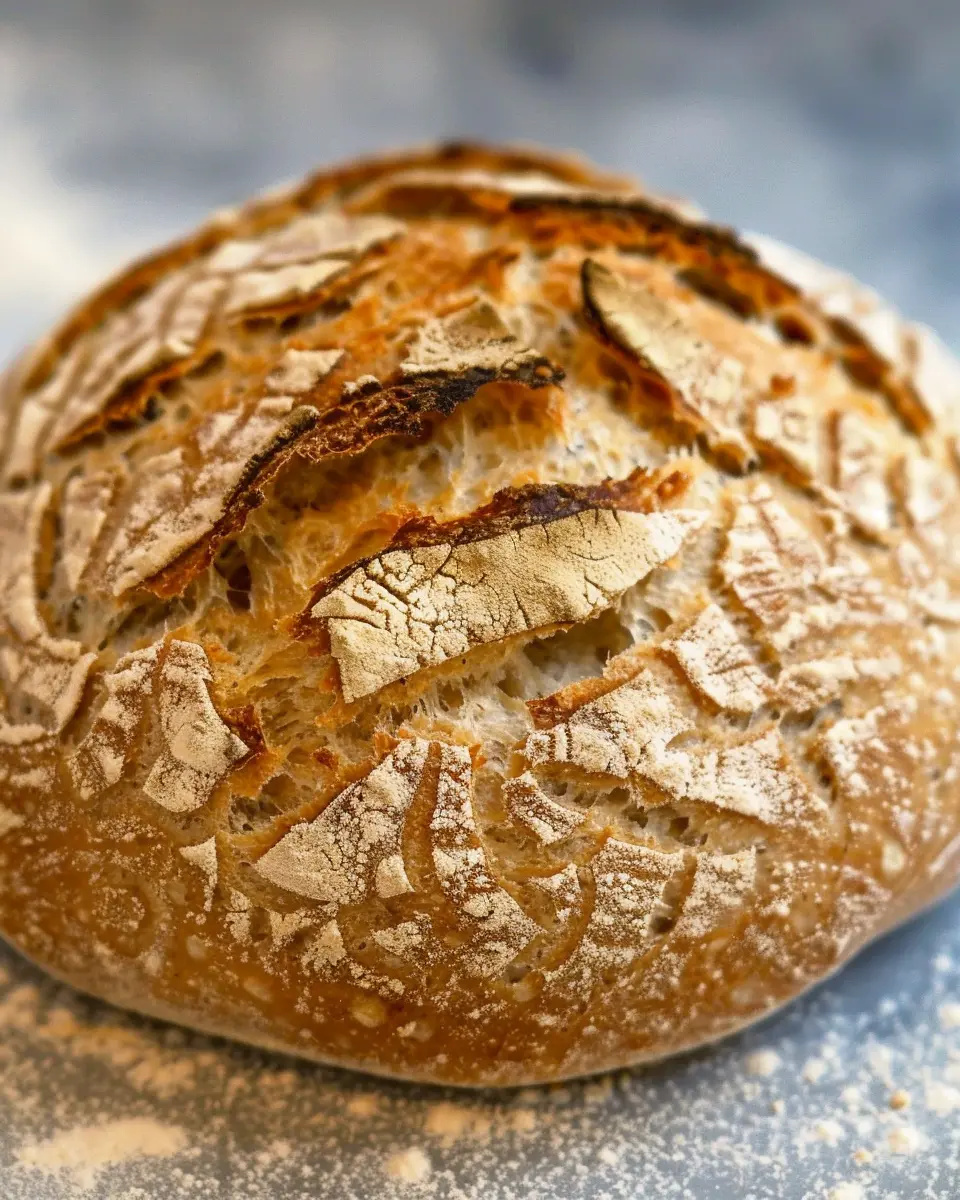
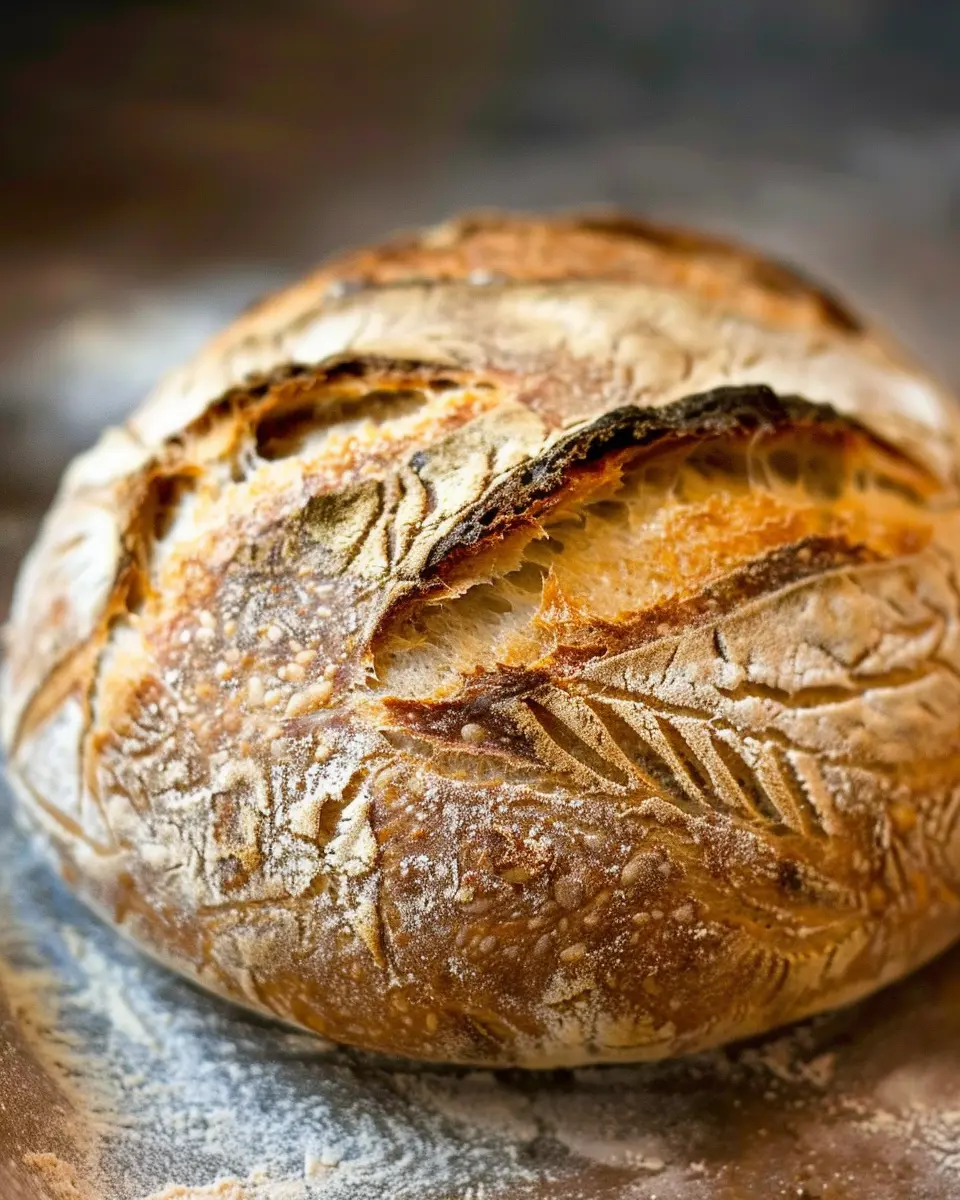
If you’ve ever wandered through a local bakery, you’ve likely been captivated by the aroma of freshly baked bread, particularly artisan sourdough bread. The crusty exterior and soft, tangy interior have a charm that’s hard to resist. But why should you dive into making it at home? The answer lies in the unique qualities and advantages this beloved bread offers.
A Flavor Experience Like No Other
First and foremost, the flavor of artisan sourdough bread is beyond compare. The fermentation process, driven by wild yeast and lactic acid bacteria, creates a complex and rich taste profile. This isn’t just bread; it’s an experience. According to experts, the taste can vary significantly based on the region where the starter culture originated and the type of flour used, making each loaf distinctive.
Health Benefits
But it’s not just about taste. Sourdough bread is often easier to digest and recommended for those with certain sensitivities. Its unique fermentation process breaks down gluten, which may make it more tolerable for individuals who experience mild gluten sensitivities. Moreover, the long fermentation enhances nutrient absorption, giving you a bread that’s not only delicious but also potentially healthier. You might consider checking out the benefits of sourdough for more insights.
A Creative Outlet
Additionally, making your own artisan sourdough bread can be a rewarding project. The process invites creativity, allowing you to experiment with different flours, add-ins like seeds or dried fruits, and techniques. Imagine pulling a golden-brown loaf from your oven, the warm air swirling around you—it’s a moment of pure satisfaction.
The Joy of Homemade Bread
While it takes time and patience, the journey of creating artisan sourdough bread is both fun and fulfilling. With each loaf you bake, you’re not just nourishing your body; you’re engaging in a craft that has stood the test of time. So, whether you’re a seasoned baker or a curious novice, embrace the effort. Your taste buds—and your friends—will thank you!
Ingredients for Artisan Sourdough Bread
Essential Ingredients for Success
Crafting artisan sourdough bread starts with a few essential ingredients that work harmoniously to create that perfect crust and chewy interior. You’ll need:
- All-purpose flour: This forms the base of your dough. A high-protein flour is preferable for better gluten structure.
- Water: Hydration is crucial! Use filtered water to avoid any unwanted flavors.
- Salt: Adds flavor and controls yeast activity; a good quality sea salt is recommended.
- Sourdough starter: Your magic ingredient! A healthy, active starter brings in that tangy flavor and helps the dough rise. If you need a guide, King Arthur Baking has great resources on creating and maintaining your starter.
Optional Add-ins for Customization
Once you’ve mastered the basics of your artisan sourdough bread, consider personalizing it with exciting add-ins. Think about:
- Seeds: Flaxseeds, sesame, or poppy seeds can add a delightful crunch.
- Herbs and spices: Fresh rosemary or garlic powder for an aromatic twist.
- Fruits or nuts: Dried figs, walnuts, or olives for a unique flavor burst.
Experimenting with different combinations allows you to create a loaf that suits your palate perfectly. What unique twist will you add to yours?
Preparing Artisan Sourdough Bread
Making artisan sourdough bread is a rewarding process that not only fills your kitchen with delightful aromas but also offers a sense of accomplishment. Whether you’re a seasoned baker or a complete novice, this guide walks you through each crucial step to ensure your loaf turns out beautifully. Let’s dive in!
Activate Your Sourdough Starter
The first key to making artisan sourdough bread lies in a healthy sourdough starter. Before you start baking, you’ll want to “wake up” your starter if it’s been sitting in your fridge for a while.
- Remove the starter from the fridge.
- Discard about half of it (this helps keep it manageable and fresh).
- Feed it equal parts flour and water – usually, that’s 1:1:1 where the first number is the weight of the starter.
- Let it sit at room temperature for about 4-6 hours, or until it is bubbly and doubles in size.
You can find more tips on maintaining a healthy starter at King Arthur Baking.
Mix Wet and Dry Ingredients
Once your starter is activated, you’ll combine the wet and dry ingredients. This mix consists of your active starter, water, flour, and salt. It’s essential here to use high-quality bread flour for that perfect rise and texture.
- In a large bowl, mix together:
- 500g bread flour
- 350g water (room temperature)
- 100g active sourdough starter
- 10g salt
- Stir until a rough dough forms, ensuring no dry flour is left.
Let this mixture rest for about 30 minutes. This initial rest, known as autolyse, helps to develop gluten, creating a stronger structure for your artisan sourdough bread.
The Stretch and Fold Technique
After the rest, it’s time to strengthen your dough through the stretch and fold technique. This method helps to develop gluten without kneading, making it easier on your arms.
- With wet hands, grab the dough from one side and stretch it up, folding it over itself.
- Turn the bowl 90 degrees and repeat this process for a total of four stretches.
- Cover the bowl and let the dough rest for 30 minutes before repeating this process three more times over the course of two hours.
This three-step cycle allows you to create a well-structured dough with great elasticity.
Shaping the Dough
Once the dough has risen adequately, it’s time to shape it. This step is important for creating surface tension, which helps the bread rise properly during baking.
- Gently turn the dough out onto a floured surface and shape it into a round or oval loaf, depending on your preference.
- Use your hands to create surface tension by tucking the dough under as you shape.
Let it rest for 15 minutes before final shaping to prevent any tearing. For more detailed shaping techniques, consider checking out resources on websites like The Bread Lab.
Refrigeration and Final Proofing
Now comes the magic of waiting. This resting phase is crucial for flavor development.
- Place the shaped dough in a well-floured proofing basket and cover it with a kitchen towel.
- You can either let it proof at room temperature for about 2-4 hours or send it to the fridge for an overnight cold proof. The fridge method enhances the flavor, leading to a more complex and delicious loaf.
Scoring and Baking
When it’s near the baking time, preheat your oven to 450°F and place a Dutch oven inside to heat up. Scoring your dough creates beautiful patterns while allowing for a controlled rise in the oven.
- Carefully take the dough from the proofing basket and place it onto a parchment paper.
- Use a sharp blade or lame to score the dough. This is where your creativity shines — a simple line or an intricate design all works.
- Carefully lower the dough into the hot Dutch oven, cover it, and bake for 30 minutes. Then, uncover and bake for an additional 15-20 minutes to achieve that beautiful golden crust.
And voilà – your artisan sourdough bread is ready to be enjoyed! With a crisp crust and a chewy interior, this bread opens up a world of possibilities for sandwiches, toast, or simply enjoying with a little olive oil. Happy baking!
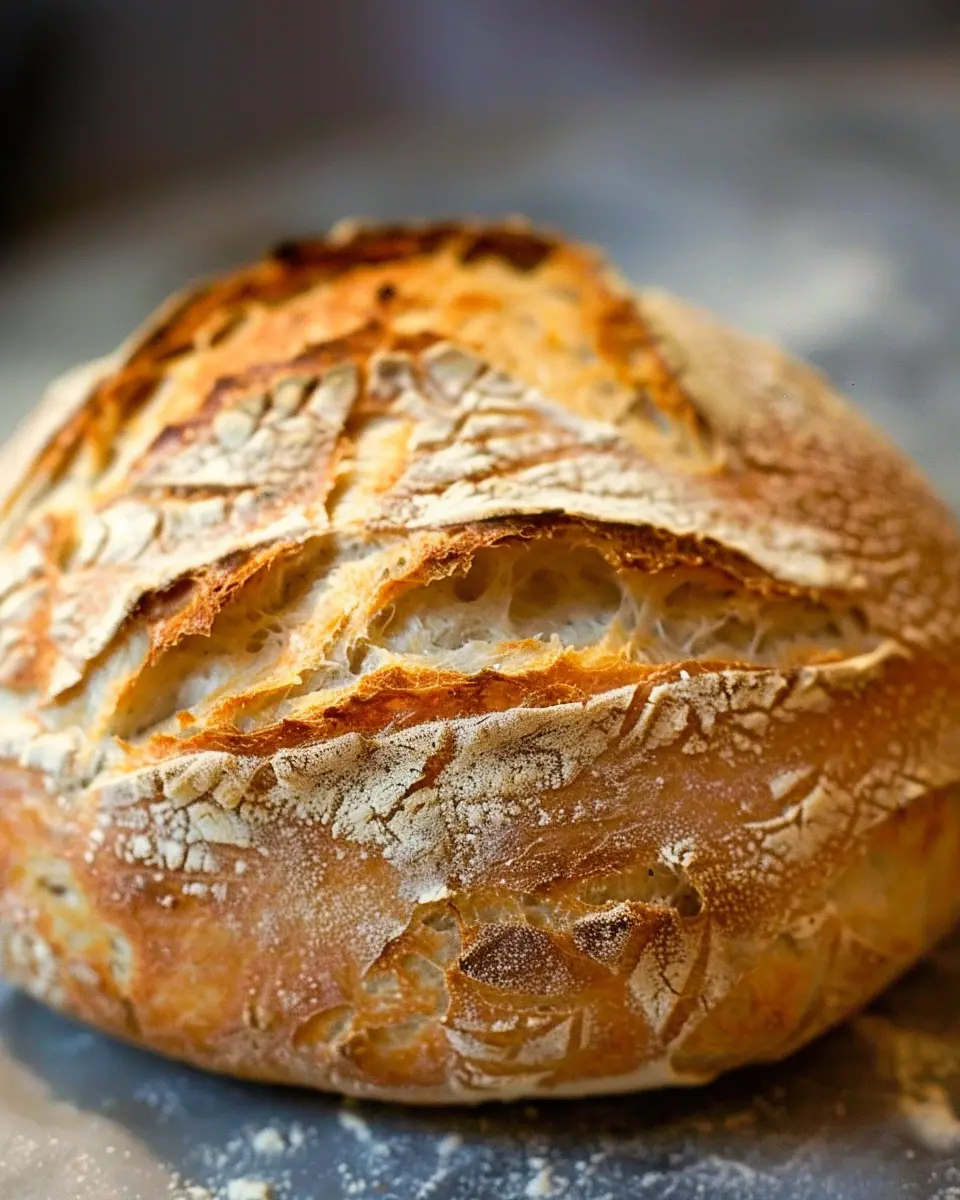
Variations on Artisan Sourdough Bread
When it comes to artisan sourdough bread, the possibilities are truly endless. Whether you want to jazz up your loaf for a special occasion or simply experiment with flavors, adding unique ingredients can elevate your baking game.
Adding Herbs and Spices
Want to infuse your bread with new flavors? Consider using fresh or dried herbs like rosemary, thyme, or basil. A tablespoon of finely chopped herbs integrated into your dough can transform a simple loaf into something aromatic and delightful. If you’re feeling adventurous, try mixing in spices like cumin or smoked paprika for a warm kick. Just a pinch can make a world of difference!
Incorporating Grains and Seeds
Experimenting with grains and seeds is another way to customize your artisan sourdough bread. Adding a variety of seeds like sesame, sunflower, or flax can provide a nutty flavor and crunch, making each bite exciting. For a heartier loaf, mix in whole grains such as oats or spelt. The additional texture and nutritional benefits will not only make your bread more satisfying but also incredibly wholesome.
If you’re curious about more ideas or need inspiration, consider checking out websites like King Arthur Baking or Food52. Both offer fantastic tips and tricks for enhancing your baking experience. So, why wait? Start mixing up these variations, and you might just discover your new go-to loaf! Happy baking!
Cooking Tips and Notes for Artisan Sourdough Bread
Common Mistakes to Avoid
When baking artisan sourdough bread, it’s easy to trip up! Here are some common pitfalls:
- Under-proofing: Give your dough time to rise. It’s not just about volume; a good fermentation develops flavor.
- Ignoring humidity: Your kitchen’s climate can change the dough’s requirements. Adjust water and flour based on the season.
- Rushing the bake: Patience is key! Let the bread cool completely before slicing to lock in moisture.
Tools for Perfect Loaves
Investing in the right tools can elevate your sourdough game. Here’s what you’ll need:
- Dutch oven: Creates the perfect steaming environment.
- Digital kitchen scale: Accurate measurements are essential for consistent results.
- Bench scraper: Makes shaping easier and cleaner.
If you’re really keen on perfecting artisan sourdough bread, consider checking out resources like King Arthur Baking for expert advice and tips. Happy baking!
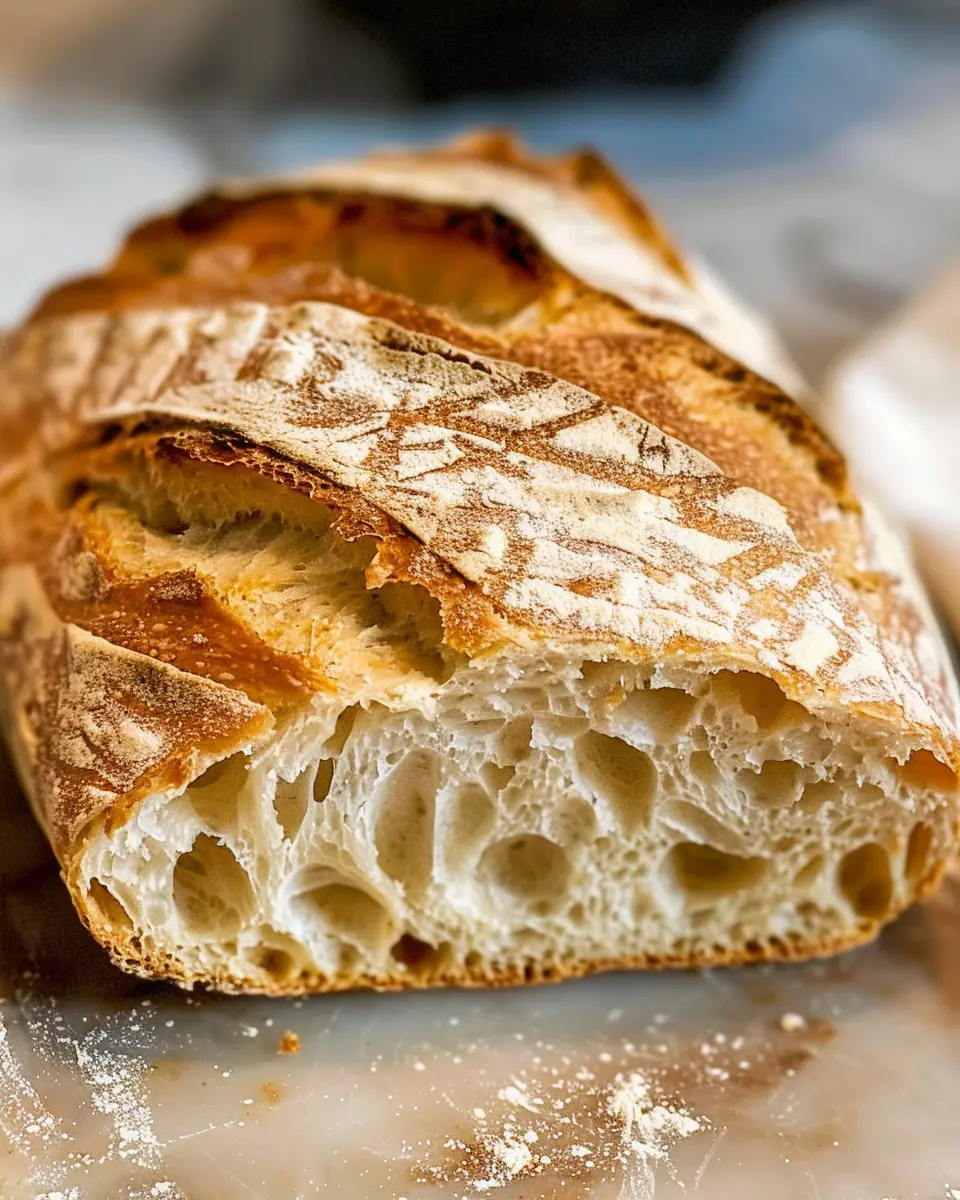
Serving Suggestions for Artisan Sourdough Bread
Pairing with Dips and Spreads
When it comes to enjoying artisan sourdough bread, the possibilities are endless! Consider pairing it with a variety of dips and spreads to elevate your snacking game. For a quick and delightful option, try hummus with a sprinkle of smoked paprika or a creamy spinach dip.
Don’t overlook classic spreads like butter, which can be enhanced with sea salt and herbs. For something unique, a homemade avocado spread mixed with lime juice and garlic can add a vibrant twist. Looking for more inspiration? Explore recipes from The Kitchn for tasty dip ideas that complement your sourdough.
Using Sourdough in Sandwiches
Sourdough bread is a fantastic base for sandwiches, especially when working with deli favorites. Think turkey bacon with fresh avocado and arugula or a tangy chicken ham with pesto and roasted peppers. The crusty exterior and chewy interior add a delightful texture to your meal, making every bite a pleasure.
Here’s a simple layering technique to try: start with sliced artisan sourdough bread, add your protein, pile on some veggies, and finish with your favorite spread to tie it all together. It’s a casual yet gourmet way to make lunch feel special!
With these serving suggestions, your artisan sourdough bread will surely hit the spot!
Time Breakdown for Artisan Sourdough Bread
Preparation Time
Making artisan sourdough bread starts with about 30 minutes of dedicated prep. This includes measuring out your ingredients, mixing your dough, and ensuring your starter is ready.
Rising Time
Rising is where the magic happens! You’ll need approximately 4 to 12 hours for the dough to rise, depending on your kitchen’s temperature. Typically, many find an overnight rise yields fantastic results.
Baking Time
Once your dough has risen to perfection, baking will take around 30 to 45 minutes. You’ll know it’s ready when it has a beautiful golden crust and sounds hollow when tapped.
Total Time
In total, you’re looking at an investment of around 5 to 12 hours, mostly waiting and letting the dough work its magic. The time you spend waiting is well worth the delicious aroma and the satisfying crunch of homemade artisan sourdough bread! For more tips on timing, check out resources from King Arthur Baking or Breadtopia.
Nutritional Facts for Artisan Sourdough Bread
When you bake your own artisan sourdough bread, understanding its nutritional profile can help you appreciate its health benefits while enjoying every slice. Let’s break it down:
Calories
A typical serving of artisan sourdough bread contains around 90-100 calories, making it a relatively light choice for your meals or snacks.
Carbohydrates
This type of bread is primarily made up of carbohydrates, with approximately 20-22 grams per slice. These carbohydrates provide essential energy, perfect for powering through your day.
Protein
You’ll find about 3-4 grams of protein in each slice of artisan sourdough bread. While this isn’t a high protein content, it can complement other protein sources, like Turkey Bacon or Chicken Ham, for a balanced meal.
For a deeper dive into nutritional benefits, you might want to explore articles from sources like the National Bread Month or Whole Grains Council. These insights can help you enjoy your homemade bread while staying mindful of your diet!
FAQs About Artisan Sourdough Bread
Can I use all-purpose flour instead of bread flour?
Absolutely! While using bread flour in your artisan sourdough bread recipe yields a higher protein content, which can improve the structure and chewiness of your loaf, all-purpose flour is perfectly acceptable, especially if you’re just starting out. Keep in mind that you might get a slightly softer texture, but it will still be delicious. If you choose to blend in some whole wheat flour, you’ll add a nice nutty flavor, too.
How do I store leftover sourdough bread?
To keep your artisan sourdough bread fresh, store it at room temperature in a paper bag or a bread box. Avoid plastic bags, as they trap moisture and can lead to a soggy crust. If your loaf is sliced, consider wrapping it in a kitchen towel to maintain its crusty exterior. For longer storage, you can freeze slices in an airtight container – simply toast them straight from the freezer, and they’ll taste just baked!
Why did my sourdough not rise properly?
If your artisan sourdough bread falls flat, it could be a result of a few factors:
- Inactive starter: Your sourdough starter may not be active enough. Make sure to feed it regularly and keep it at the right temperature to maintain that fermentation magic.
- Temperature: Yeast thrives in warmth. If your kitchen is too cold, consider placing the dough in a warmer spot or using a proofing box.
- Kneading issues: Insufficient kneading or folding may leave your dough lacking the necessary strength to rise properly.
For further reading on troubleshooting sourdough issues, check out resources on King Arthur Baking.
Baking artisan sourdough bread can be a little tricky at first, but once you get the hang of it, you’ll impress your friends and family with your newfound skills! Happy baking!
Conclusion on Artisan Sourdough Bread
The Joy of Homemade Bread
Getting into the world of artisan sourdough bread is genuinely a delightful experience. There’s something incredibly satisfying about crafting a loaf from scratch, especially when you see it rise beautifully and fill your kitchen with that irresistible aroma. This journey is not just about the end product; it’s about the process—the kneading, the waiting, and the anticipation.
By embracing homemade bread, you’re not just feeding yourself; you’re indulging in a unique hobby that enriches your culinary skills. Imagine sharing a warm slice with friends or family, topped with creamy butter or delicious spreads. Want to dive deeper into the benefits of bread-making? Check out The Bread Lab for some fascinating insights.
So, roll up your sleeves, trust your instincts, and embark on this rewarding adventure! Making artisan sourdough bread is as much a journey of creativity as it is a culinary delight. Happy baking!
PrintArtisan Sourdough Bread: The Best Recipe for Home Bakers
Learn how to bake the perfect artisan sourdough bread at home with this easy-to-follow recipe.
- Prep Time: 30 minutes
- Cook Time: 35 minutes
- Total Time: 5 hours 5 minutes
- Yield: 1 loaf 1x
- Category: Bread
- Method: Baking
- Cuisine: American
- Diet: Vegetarian
Ingredients
- 500g bread flour
- 350ml water
- 100g sourdough starter
- 10g salt
Instructions
- In a large bowl, mix the bread flour and water until there are no dry spots.
- Add the sourdough starter and salt, and mix until combined.
- Let the dough rest for 30 minutes, then knead for about 10 minutes.
- Place the dough in a lightly oiled bowl and cover it.
- Let it rise at room temperature for 4-5 hours until doubled in size.
- Shape the dough and place it in a proofing basket.
- Let it rise again for 1-2 hours.
- Preheat your oven to 450°F (232°C).
- Transfer the dough to a baking stone and bake for 30-35 minutes.
- Let the bread cool before slicing.
Notes
- For a crisper crust, use a Dutch oven.
- Ensure your starter is active before using it.
Nutrition
- Serving Size: 1 slice
- Calories: 150
- Sugar: 0.5g
- Sodium: 1g
- Fat: 1g
- Saturated Fat: 0g
- Unsaturated Fat: 0.5g
- Trans Fat: 0g
- Carbohydrates: 30g
- Fiber: 1g
- Protein: 5g
- Cholesterol: 0mg
Keywords: Artisan Sourdough bread, home baking, sourdough recipe