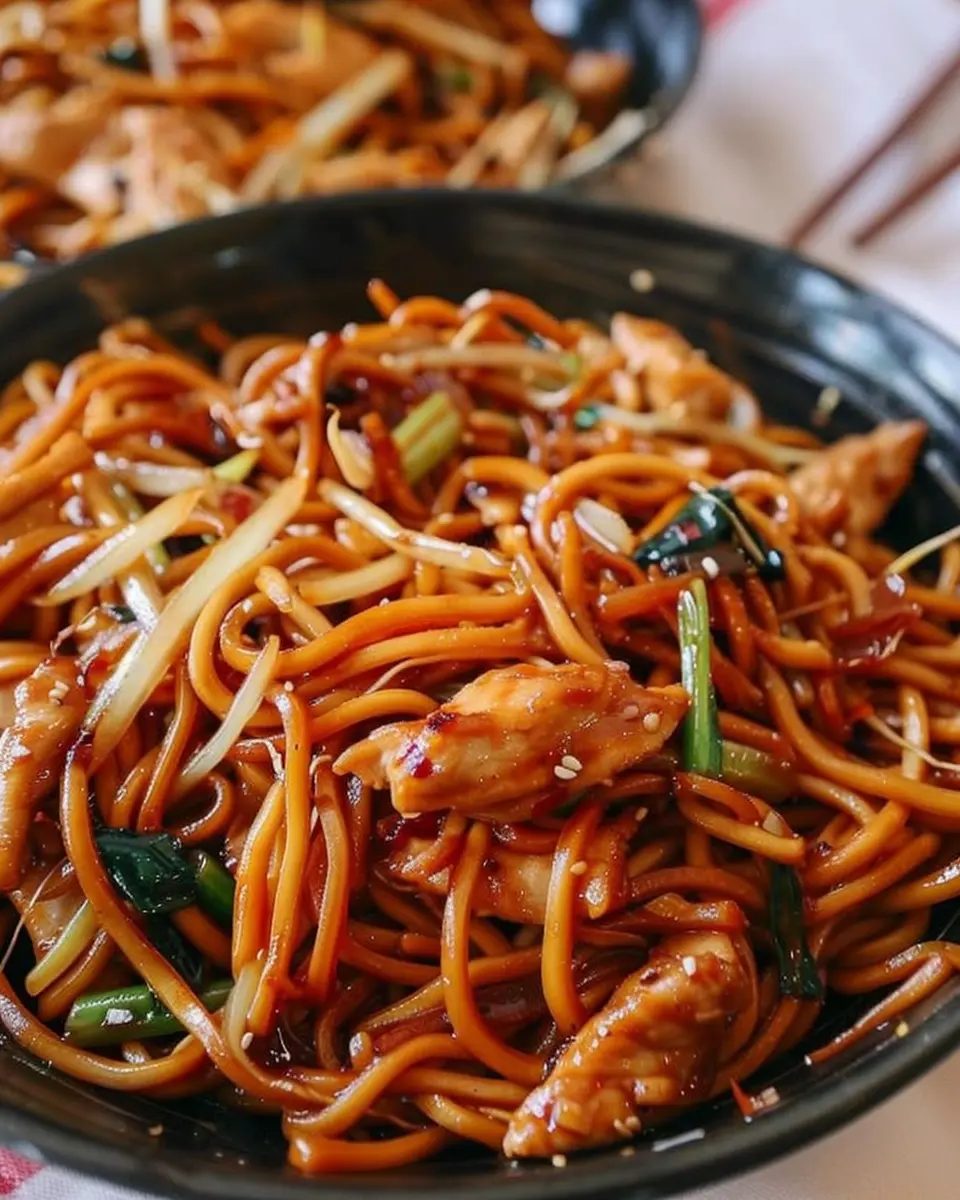
Introduction to Homemade Ramen
When you think of homemade ramen, it may seem like a daunting culinary task, but trust me; it’s worth every ounce of effort. A steaming bowl of ramen can be an extraordinarily comforting dish, evoking feelings of warmth and satisfaction. Whether you’re a ramen enthusiast or a casual foodie, creating your own version offers a personalized twist that pre-packaged options simply can’t match.
Why Homemade Ramen is Worth the Effort
Let’s consider the benefits of making your own ramen. First off, you have the freedom to customize every ingredient to suit your taste preferences. Want to swap out traditional pork for flavorful beef? Go right ahead! Prefer a lighter broth? Experiment with a delicious vegetable base instead. Each component, from the noodles to the toppings, is entirely in your hands.
Freshness Makes a Difference
One of the main perks of crafting your own ramen is freshness. According to a study on the benefits of fresh ingredients, meals made from scratch often pack more nutrients and flavor. Plus, the aroma of boiling broth filled with spices and herbs is truly a delight. Nothing beats the satisfaction of tasting something that you’ve poured love and effort into.
A Bonding Experience
Making ramen can also be a shared experience. Invite your friends over for a cooking night, or turn it into a fun date activity. After all, good food is about connecting with one another. According to a report by the National Institute of Health, preparing meals together can enhance communication and cooperation in relationships.
Sustainability and Health
Choosing to make your homemade ramen allows you to be mindful of both health and sustainability. You can select high-quality ingredients, like turkey bacon and chicken ham, and avoid unwanted preservatives. In addition, using local produce can reduce your carbon footprint.
So, why not dive into the art of ramen-making? It’s an adventure that promises delicious rewards. Plus, you can show off your culinary skills the next time friends gather for dinner. Who wouldn’t want to impress their friends with a bowl of steaming, savory ramen? For more insight into the beautiful world of ramen, check out resources like Serious Eats on Ramen.
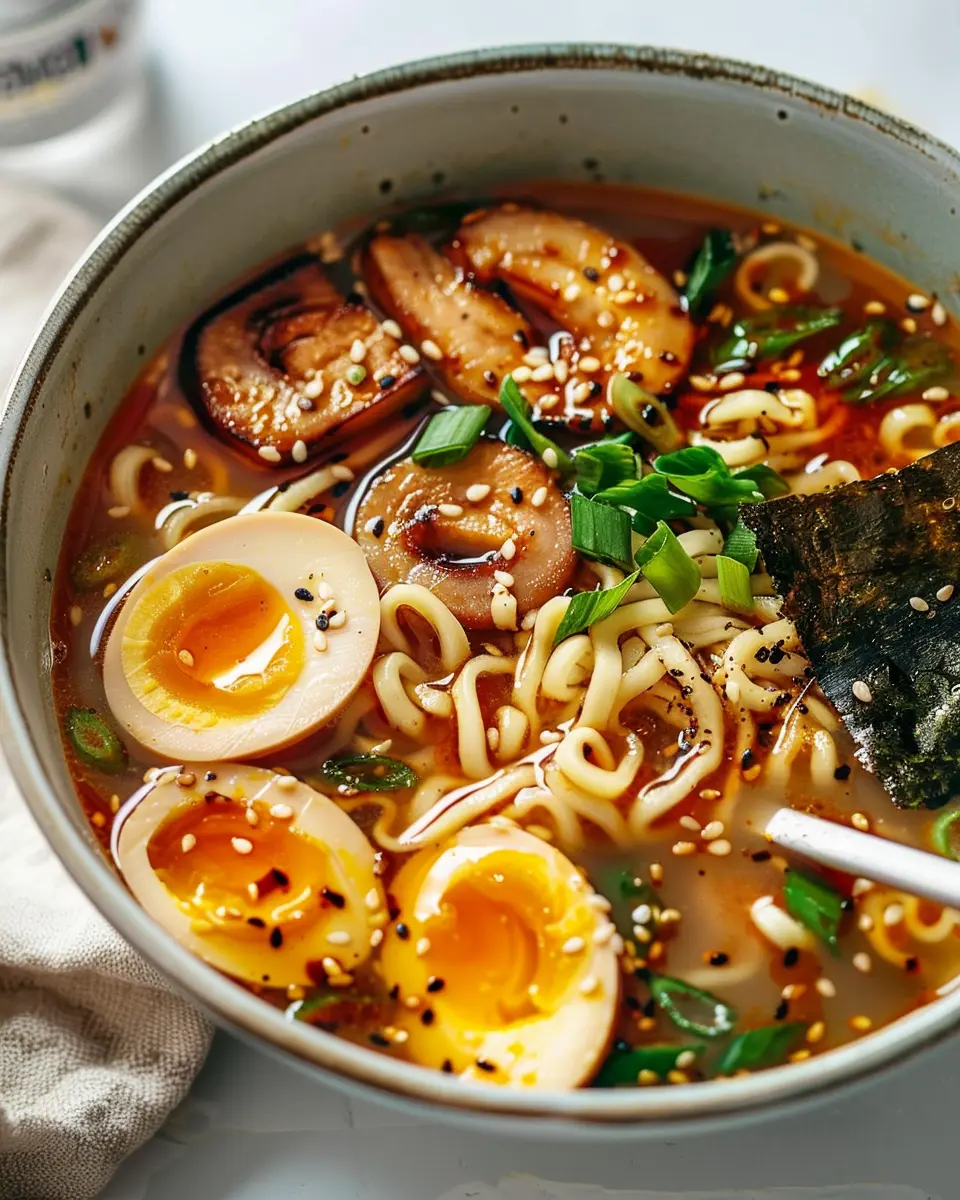
Ingredients for Homemade Ramen
Crafting a delicious bowl of homemade ramen starts with understanding the key components that create depth and flavor. Here’s a breakdown of the must-have ingredients.
Essential ingredients for a flavorful broth
Your broth is the heart of any homemade ramen. To get that rich, savory taste, use:
- Beef bones for a robust base
- Soy sauce for umami punch
- Green onions to brighten the flavor
- Garlic and ginger for aromatics
- Miso paste to add a unique depth (try different types!)
For a quick guide on broth preparation, check out Serious Eats.
Toppings that elevate your ramen experience
Now, let’s talk toppings because they truly bring your homemade ramen to the next level! Consider adding:
- Turkey bacon or Chicken ham for that protein boost
- Soft-boiled eggs with the yolk still slightly runny
- Nori (seaweed) for a touch of ocean flavor
- Bamboo shoots and mushrooms for texture
Experimenting with these toppings not only enhances flavor but also makes for an Instagram-worthy dish. Who wouldn’t want to share their ramen creations?
Step-by-Step Preparation of Homemade Ramen
Making homemade ramen is not just a culinary adventure; it’s a way to cozy up in your kitchen and create something soul-satisfying. With some common ingredients and a little time, you can whip up a bowl of ramen that’s far more delicious than the instant stuff. Let’s dive into how you can prepare this delightful dish step by step.
Sauté the Mushrooms
Start by preparing your mushrooms, as they will add a rich umami flavor to your ramen. Use shiitake or button mushrooms—both work wonders.
- Ingredients:
- 1 cup sliced mushrooms
- 1 tablespoon vegetable oil
- Salt and pepper to taste
- Heat the vegetable oil in a skillet over medium heat.
- Add the sliced mushrooms, season lightly with salt and pepper, and sauté them for about 5-7 minutes, or until they’re golden brown and fragrant.
This process not only enhances their flavor but also adds a lovely texture to your homemade ramen. While the mushrooms are cooking, you can enjoy the aroma filling your kitchen; it’s a great way to get those taste buds tingling!
Prepare and Sear the Chicken
Next on your list is the protein. Chicken offers a lean and flavorful base that complements the broth beautifully.
- Ingredients:
- 1 pound chicken breast or thigh
- 1 tablespoon soy sauce
- 1 tablespoon sesame oil
- Salt and pepper
- Season your chicken with salt, pepper, and soy sauce.
- Heat sesame oil in the skillet after removing the mushrooms, then sear the chicken on medium-high heat for about 6-8 minutes on each side or until it reaches an internal temperature of 165°F.
Feel free to replace chicken with other proteins like turkey bacon or chicken ham if you prefer! Once cooked, allow the chicken to rest before slicing it thinly—this way, the juices will redistribute, making every bite tender and juicy.
Build the Foundation with Broth and Seasonings
The heart of your homemade ramen lies in the broth. A rich, flavorful broth elevates the dish to a whole new level.
- Ingredients:
- 4 cups chicken or beef broth
- 2 tablespoons soy sauce
- 1 tablespoon miso paste (optional for extra depth)
- 1 teaspoon ginger, grated
- 1 clove garlic, minced
- In a large pot, combine the broth, soy sauce, miso paste, ginger, and garlic.
- Bring it to a simmer and let it infuse for about 10 minutes.
Using homemade or store-bought broth can significantly affect your ramen experience. For a deeper dive into creating an excellent broth, check out this article by Serious Eats.
Cook the Ramen Noodles
Now that your broth is simmering away, it’s time to tackle the noodles!
- Ingredients:
- 200g ramen noodles (fresh or dried)
- In a separate pot, bring water to a boil. Add the ramen noodles and cook according to the package instructions, generally 3-4 minutes for fresh noodles.
- Once cooked, drain and rinse them under cold water to stop cooking and remove excess starch.
This step is crucial, as properly cooked noodles will enhance the texture of your homemade ramen, making it more enjoyable to slurp!
Assemble the Bowl with Toppings
Finally, it’s time for the fun part—assembling your bowl of ramen!
- Toppings:
- Sautéed mushrooms
- Sliced chicken
- Scallions, chopped
- Soft-boiled egg (optional)
- Nori sheets (dried seaweed)
- Sesame seeds
- In a bowl, place a portion of the cooked ramen noodles.
- Pour in your flavorful broth, then add the sliced chicken and sautéed mushrooms on top.
- Finish with your choice of toppings: a soft-boiled egg, cut scallions, a sprinkle of sesame seeds, and nori.
As you sit down to enjoy your bowl of homemade ramen, take a moment to appreciate your work! Not only have you created a delicious meal, but you’ve also indulged in a wonderfully fulfilling cooking experience. Now, what are you waiting for? Dig in!
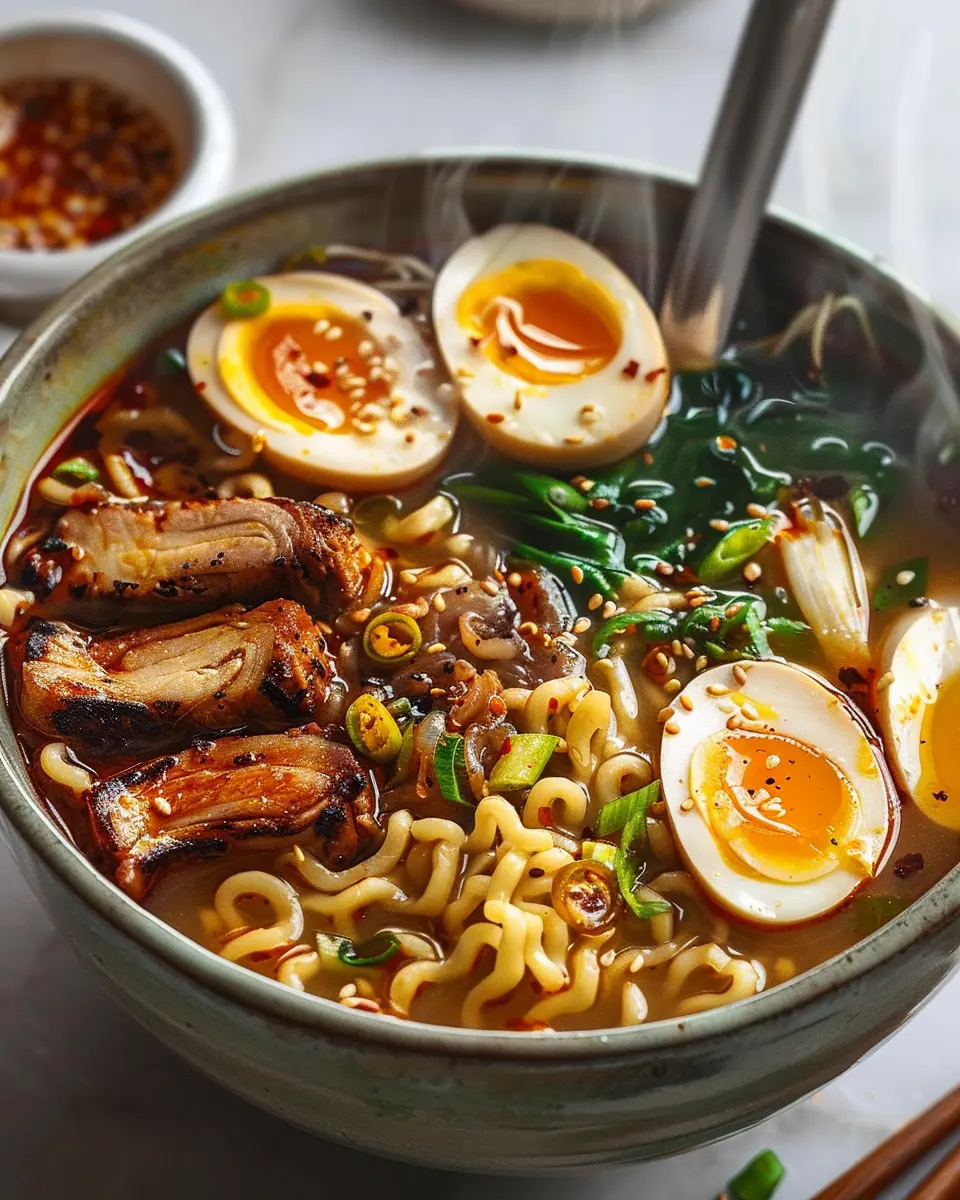
Variations on Homemade Ramen
Vegetarian Homemade Ramen Options
When it comes to homemade ramen, going vegetarian is easier than you might think! Start with a rich vegetable broth made from simmering onions, garlic, and your choice of seasonal veggies like bok choy, mushrooms, and carrots. This broth is the heart of your dish, providing depth and flavor. To amp up the nutrition, add tofu or tempeh for that satisfying protein boost.
Consider garnishing with:
- Fresh cilantro
- Scallions
- A sprinkle of sesame seeds
And let’s not forget the fun toppings! Experiment with sliced radishes and a drizzle of soy or miso for an umami kick. For a protein-packed vegetarian option, check out this guide on The Benefits of Tofu to see how it can enhance your meal.
Spicy Homemade Ramen for the Adventurous Eater
Feeling a bit daring? Try preparing a spicy homemade ramen. It’s perfect for those who crave heat. Start by adding a tablespoon of gochujang (Korean chili paste) or sriracha to your broth for an instant flavor explosion. If you’re looking for an extra kick, toss in some chili flakes or fresh sliced jalapeños.
A great way to balance out that spice is by incorporating creamy toppings like:
- A dollop of miso paste
- Avocado slices
- Soft-boiled eggs
Make sure to adjust the spice levels to your preference. After all, ramen is all about customization! And if you’re interested in the health benefits of spicy food, you can delve into this informative piece to understand how it might boost your metabolism.
With these variations, you can tailor your homemade ramen experience to keep your taste buds excited and satisfied. Happy slurping!
Cooking Tips and Notes for Homemade Ramen
Tips for achieving the perfect soft-boiled egg
A soft-boiled egg can elevate your homemade ramen from good to gourmet. Here’s how to get it just right:
- Choose your eggs: Fresh eggs are essential for a nicer texture.
- Boil and chill: Bring water to a boil, then reduce to a simmer. Gently add the eggs for about 6–7 minutes. Immediately transfer them to an ice bath for 5–10 minutes to halt the cooking process.
- Peeling tips: Crack the shell gently and roll it on the counter for easier peeling.
Alternatives for ingredients and seasonings
Don’t have all the ingredients on hand? No problem! Here are a few alternatives you can use:
- Noodles: If you can’t find ramen noodles, try udon or soba as substitutes.
- Broth: Chicken broth works just as well if you’re short on beef stock for a rich, flavorful base.
- Seasonings: Instead of miso paste, soy sauce can provide a different yet delightful depth.
For more about creative variations in noodle dishes, check out this article on Culinary Alternatives. Now go ahead and start experimenting with your homemade ramen!

Serving Suggestions for Homemade Ramen
Creative Bowl Presentations
When it comes to serving homemade ramen, presentation is everything! Start by choosing an eye-catching bowl; something broad and shallow often works best to showcase all those vibrant toppings. Layer your ramen noodles in the center and artfully arrange toppings like fresh green onions, soft-boiled eggs, and a sprinkle of sesame seeds around the edges. Consider garnishing with a slice of Turkey Bacon or Chicken Ham for that smoky flavor. And don’t forget a drizzle of chili oil for a pop of color! Feel free to get creative—perhaps add edible flowers or a side of pickled vegetables to elevate your dish even further.
Pairing Beverages That Complement Your Meal
Choosing the right beverage can enhance your homemade ramen experience. Try a refreshing iced green tea or a sparkling water infused with lemon or cucumber. Both options cleanse the palate and bring out the flavors of your ramen without overpowering it. For something warm, a traditional Japanese matcha tea not only aligns beautifully with your meal style but also boosts energy and focus. Want something fruity? A chilled fruit-infused lemonade brings a refreshing twist that balances the richness of a hearty broth.
These suggestions not only amplify the enjoyment of your ramen but also create an inviting dining atmosphere that feels special. Happy slurping!
Time Breakdown for Homemade Ramen
Preparation Time
Making homemade ramen is an exciting adventure in the kitchen! You’ll need about 30 minutes to gather your ingredients and prepare everything. This includes chopping vegetables, marinating your proteins like Turkey Bacon and Chicken Ham, and prepping your broth.
Cooking Time
Once you’re all set, the cooking time is around 2 to 3 hours. This allows you to achieve that deep, rich flavor in the broth, critical for a delicious bowl of ramen.
Total Time
In total, you can expect around 2.5 to 3.5 hours from start to finish. While it may seem like a commitment, trust me, the results are worth every minute! If you want to streamline your process, you can also find great tips for making broth in advance on Serious Eats. Enjoy the journey to delicious homemade ramen!
Nutritional Facts for Homemade Ramen
When making homemade ramen, understanding its nutritional profile can help you enjoy it guilt-free.
Calories per serving
On average, a serving of homemade ramen contains approximately 350 to 500 calories, depending on the ingredients you choose. Customize your bowl with extra veggies or proteins to tailor it to your dietary needs!
Key nutritional components
- Protein: Each serving offers around 20 grams of protein, especially if you incorporate chicken ham or turkey bacon.
- Fat: Expect about 10-15 grams of fat, primarily from your broth and any added oils.
- Carbohydrates: You’ll get around 45-60 grams of carbs from the noodles and vegetables, making it filling and satisfying.
For more insights on balanced meals, check out resources like the USDA FoodData Central for nutritional data! Making your bow of ramen not only delicious but also nutritious is entirely doable.
FAQs about Homemade Ramen
Can I use different proteins in homemade ramen?
Absolutely! One of the most delightful aspects of making homemade ramen is its versatility, especially when it comes to proteins. You can swap out the classic choices for:
- Turkey Bacon: It adds a nice smokiness.
- Chicken Ham: A lighter alternative that pairs well with broth.
- Beef: Offers a rich flavor that’s always a crowd-pleaser.
Feel free to experiment with tofu or a medley of vegetables if you’re aiming for a vegetarian version. The choice is yours, so make your bowl uniquely yours!
How do I store leftover homemade ramen?
Storing leftover homemade ramen can be a breeze if you take a few simple steps. Here’s how you can do it:
- Separate components: Keep the noodles, broth, and toppings (like proteins and veggies) in separate airtight containers. This prevents sogginess.
- Refrigerate: Typically, leftover ramen will last about 3-4 days in the fridge.
- Reheat carefully: For the best results, reheat the broth and noodles separately. This ensures your noodles retain their texture and your broth remains flavorful.
What if I can’t find some of the ingredients?
Don’t worry if you can’t track down every single ingredient for your homemade ramen! Many recipes allow for substitutions.
- Broth: If you can’t find a specific broth, consider using chicken or vegetable broth as an alternative.
- Noodles: If traditional ramen noodles are elusive, you can often use udon or even spaghetti in a pinch.
Feel free to check out resources like the Noodle Company for inspiration on where to get ingredients. Make your ramen experience enjoyable and stress-free—cooking should be fun, after all!
Conclusion on Homemade Ramen
Creating your own homemade ramen is truly a rewarding experience that can elevate your cooking skills while satisfying your cravings. The joy of cooking lies in your ability to customize every bowl, allowing you to experiment with flavors and ingredients that cater specifically to your tastes. Whether it’s swapping out turkey bacon for traditional options or adding a unique twist with seasonal vegetables, the possibilities are endless.
Imagine inviting friends over for a ramen night, where each person crafts their unique masterpiece! Not only does it spark creativity, but it fosters connection through shared flavors and experiences. So, grab your ingredients, unleash your inner chef, and enjoy every delicious moment! For more insights on ramen culture, check out this comprehensive guide on ramen’s history and variations.
Homemade Ramen Made Easy: Indulgent Flavors with Turkey Bacon

A delicious and easy recipe for homemade ramen featuring rich flavors, turkey bacon, and fresh ingredients.
- Prep Time: 10 minutes
- Cook Time: 20 minutes
- Total Time: 30 minutes
- Yield: 2 servings 1x
- Category: Main Course
- Method: Stovetop
- Cuisine: Japanese
- Diet: None
Ingredients
- 4 cups chicken broth
- 2 cups water
- 4 ounces ramen noodles
- 4 slices turkey bacon
- 1 green onion, chopped
- 2 soft-boiled eggs
- 1 tablespoon soy sauce
- 1 teaspoon sesame oil
- 1 cup baby spinach
Instructions
- In a large pot, combine the chicken broth and water. Bring to a simmer over medium heat.
- Cook the ramen noodles according to package instructions. Drain and set aside.
- In a skillet, cook the turkey bacon until crispy. Remove from heat and chop into pieces.
- Add the cooked ramen noodles to the broth along with soy sauce and sesame oil. Stir to combine.
- Top with turkey bacon, green onions, soft-boiled eggs, and spinach before serving.
Notes
- Feel free to add more vegetables like mushrooms or bok choy for additional flavor.
- This recipe can be adjusted for spice by adding chili oil or sriracha.
Nutrition
- Serving Size: 1 bowl
- Calories: 400
- Sugar: 2 grams
- Sodium: 800 mg
- Fat: 20 grams
- Saturated Fat: 5 grams
- Unsaturated Fat: 10 grams
- Trans Fat: 0 grams
- Carbohydrates: 50 grams
- Fiber: 2 grams
- Protein: 20 grams
- Cholesterol: 100 mg
Keywords: Homemade Ramen, Turkey Bacon, Easy Ramen Recipe